

Documentation as an Integral Part of Restoration Work
Restorers bear a great deal of responsibility. This is because every restoration or conservation intervention alters the original historical condition of a piece of furniture or other culturally and historically significant object.
For this reason, our conservators at ZRW Berlin prepare professional documentation of the objects undergoing conservation and the conservation measures we take.
If you’d like, documentation of the furniture restoration can be included in your order.

Documentation of the Restoration: Changes to the Original Condition
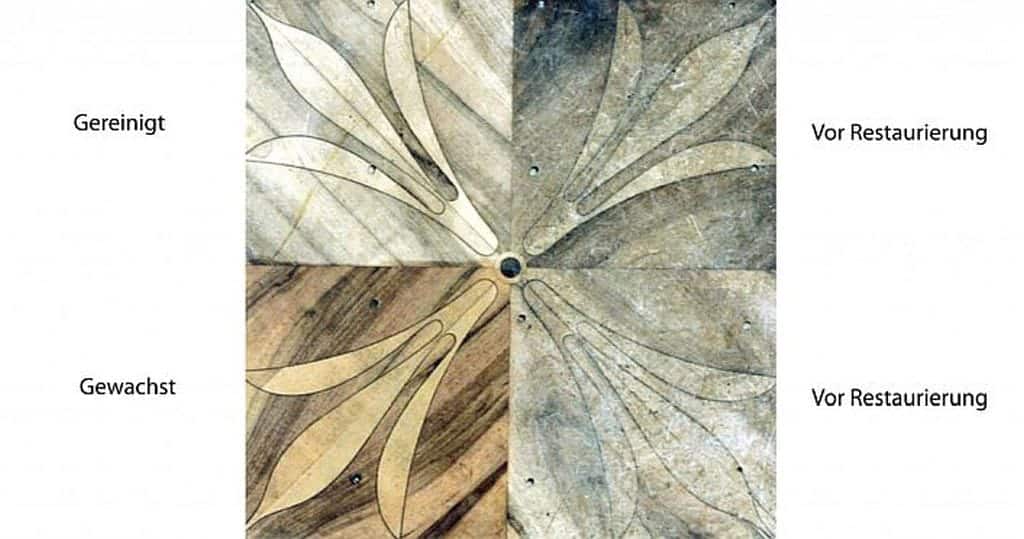
Every restoration involves an intervention that irreversibly alters the original condition of a piece of furniture, an interior item, or any other wooden object. In this respect, we must always view wood restoration in Berlin and furniture restoration in Berlin as a controlled reconciliation of historical facts that cannot be reconstructed in this exact form.
It is therefore crucial that we document the initial condition of the piece of furniture before restoration and provide a clear description of all measures and changes we undertake as part of the restoration or conservation of an object.
What does the restoration documentation include?
We, the wood and furniture restorers at the Central Restoration Workshop in Berlin, therefore document our entire work process in meticulous and transparent detail. The documentation includes
- a detailed, documented examination of the object prior to restoration (inventory, condition analysis, preliminary examination report, and assessment of damage)
- a detailed description of all procedures performed during the restoration
- A detailed description of the condition after restoration
So please contact us if you are looking not only for expert furniture restoration but also for transparent, detailed documentation of the work processes and restoration measures carried out.
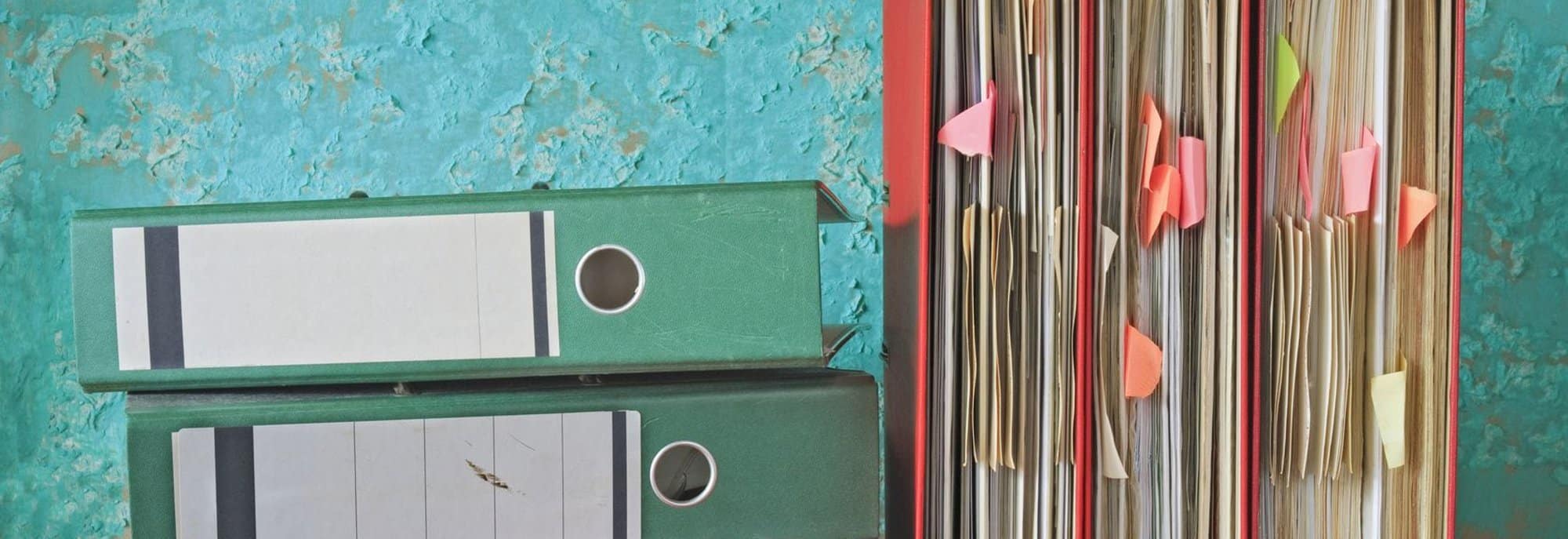
Documentation of the restoration to aid future efforts
Comprehensive and technically sound documentation is particularly important in historic preservation and in the conservation or restoration of architectural heritage. In these cases, professional documentation serves to meticulously record the
- measures and interventions taken,
- materials used,
- Concentration of products used,
- techniques used and
- Precise mapping of the treated areas on the entire object (localization).
- Thus, the documentation of the restoration serves as a template and guide for any future restorations that may be necessary.
If, after some time, further restoration work becomes necessary, the restorer in charge can use this detailed documentation report as a guide and draw valuable insights from it to inform their restoration plan.
Making Restoration Transparent
As a specialized restoration workshop in Berlin, we base our documentation and mapping practices on the guidelines and manuals of renowned institutions and academic organizations that define standards for restoration documentation practices.
These include:
- Guidelines for Preparing Restoration Documentation
in the Preservation of Historic Buildings by the Berlin State Office for the Preservation of Historic Buildings - Construction and Restoration Documentation
of the Brandenburg State Office for the Preservation of Historical Monuments and the State Archaeological Museum (BLDAM) - Guidelines for Restoration Documentation
issued by the Bavarian Administration of State-Owned Palaces, Gardens, and Lakes - Guidelines for Preparing Investigation Reports and Documentation in the Field of Conservation/Restoration
published by the Regional Association of Westphalia-Lippe (LWL)
All of these guidelines specify how restoration documentation records should be structured and what information they should contain. Key information and elements included in such a restoration record are:
- Object Identification
- Property Description
- Technological Study
- Condition Surveys and Damage Assessments
- Conservation and Restoration Measures Carried Out
- Recommendations for Handling and Care
- Information on Materials Used
- Visual Documentation
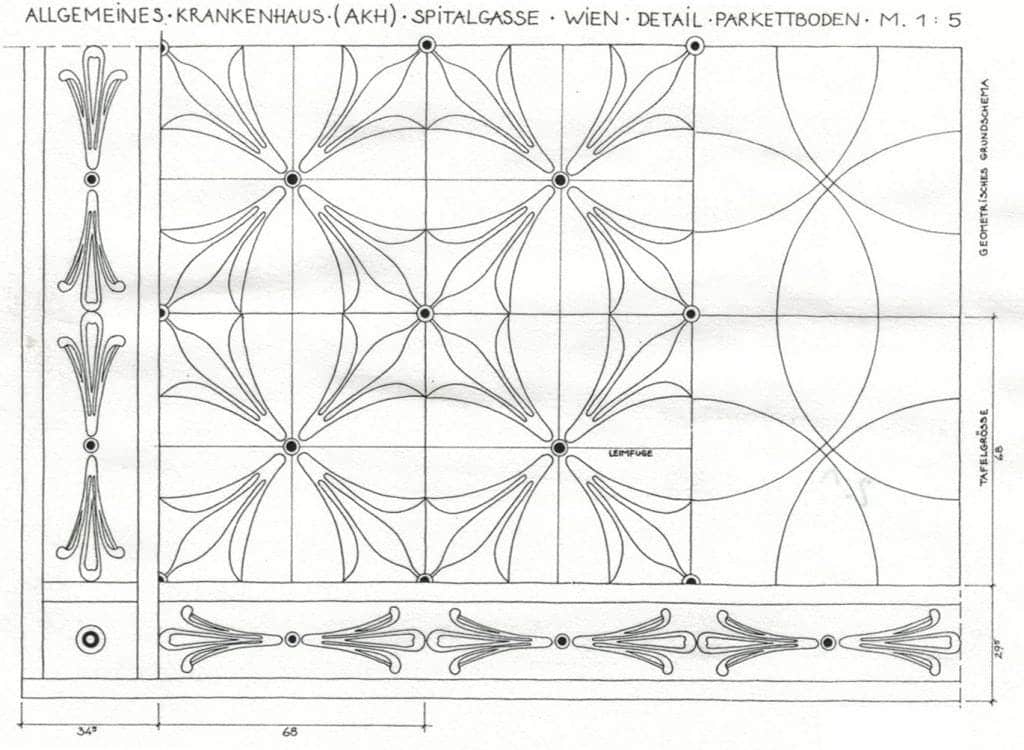
Our documentation is therefore not limited to written assessments but also includes photographs (photographic surveys, photo documentation), construction descriptions and drawings, lists of recommended measures, lists of materials used, as well as damage assessments and action plans. If we have conducted a scientific preliminary examination, a damage analysis, or a restoration-related paint analysis—either independently or in cooperation with scientific laboratories and institutes—we naturally include these examination reports in the documentation as well.
Please refer to the attached PDF files for our example of documentation for a wood restoration project.
Documentation of the restoration to aid future efforts
Comprehensive and technically sound documentation is particularly important in historic preservation and in the conservation or restoration of architectural heritage. In these cases, professional documentation serves to meticulously record the
- measures and interventions taken,
- materials used,
- Concentration of products used,
- techniques used and
- Precise mapping of the treated areas on the entire object (localization).
- Thus, the documentation of the restoration serves as a template and guide for any future restorations that may be necessary.
If, after some time, further restoration work becomes necessary, the restorer in charge can use this detailed documentation report as a guide and draw valuable insights from it to inform their restoration plan.