

Analysis of Findings and Identification of Materials
Preventing and repairing damage to historic objects is part of the daily work of conservators. Damage analysis serves as the basis for identifying the causes of damage and for determining preventive conservation measures.
During the damage analysis, the following factors emerged as the primary causes of most damage to historic structures:
- adverse weather conditions
- improper handling
- incorrect material combinations
- Overexploitation
- lack of care
- Pest infestation
- microbial contamination

From wear and tear to weather exposure—tailored measures to preserve value
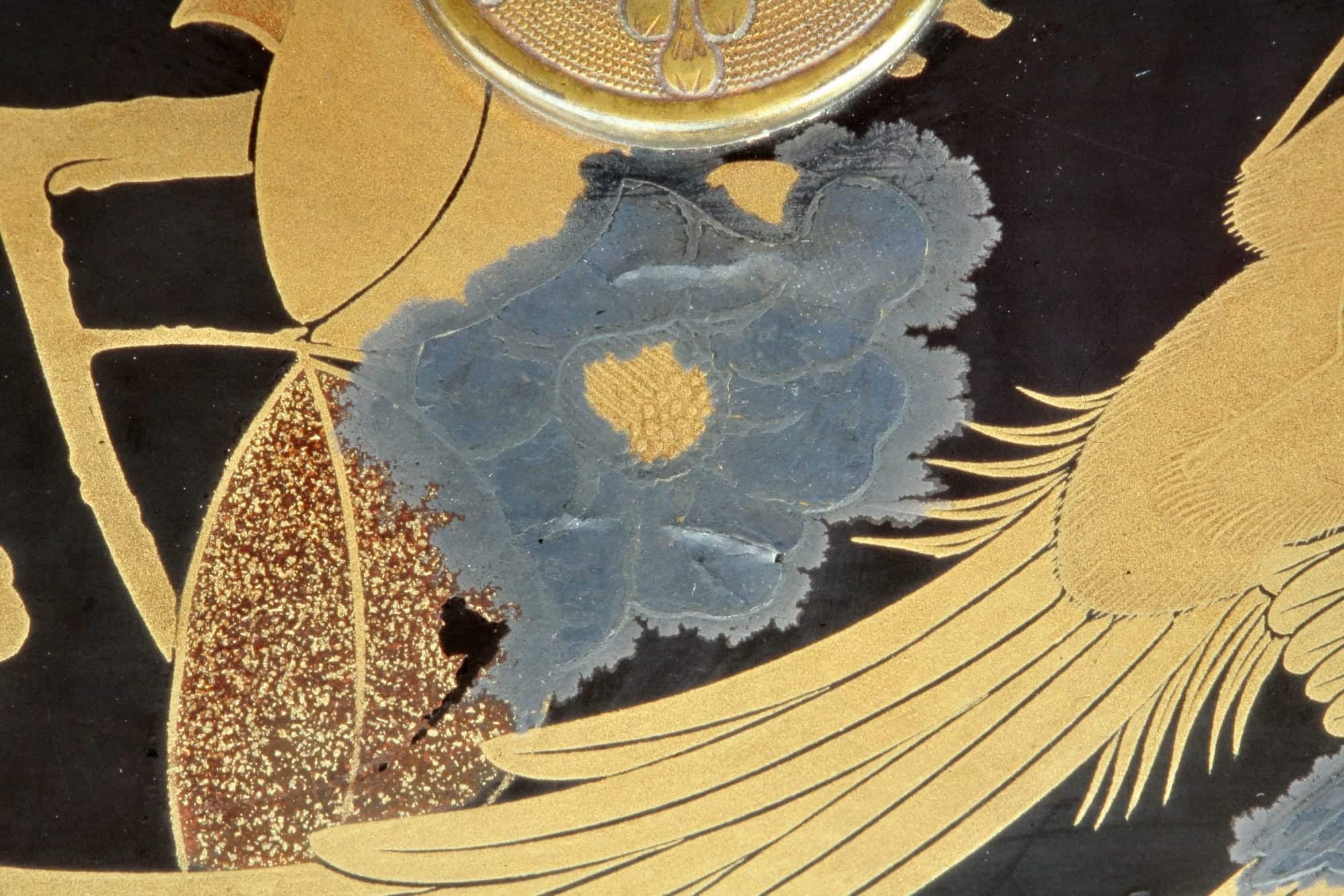
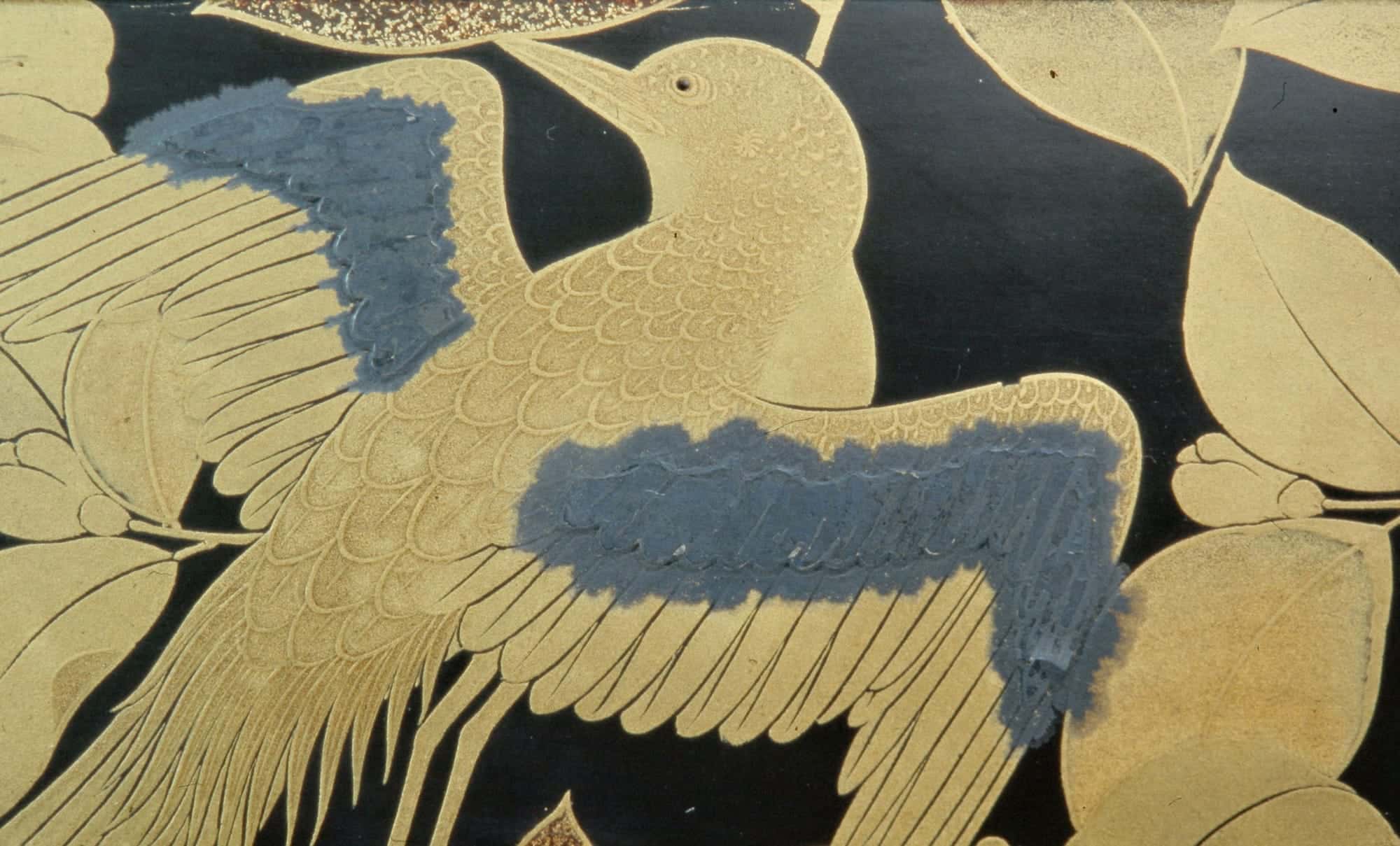
Typical damage to antique objects can be seen, for example, in gilded surfaces that have gaps due to wear on the metal layer . Damage is also often clearly visible on monuments that are exposed to the elements without protection. In such cases, in addition to reconstruction and restoration work, it is important to develop a customized plan of action that also includes preventive measures.
The Steps in a Restoration Damage Analysis
The first step in a damage analysis is to determine the specific causes. If antique furniture, picture frames, sculptures, mortuary shields, or paintings show damage that seems inexplicable at first glance, restoration and conservation experts are called upon to conduct a damage analysis to determine the underlying cause.
In cases of vandalism, burglary, accidents, or other disasters, a detailed investigation into the cause is generally not necessary. Nevertheless, in such cases, a scientifically sound expert report is often required so that you, as the injured party, can assert your claims against the insurance company or even the perpetrators.
Once the cause has been determined, the extent of the damage and the condition of the material must be documented as part of a damage assessment. This may require further investigations, such as microscopic or technological analyses, including UV examinations.
As certified conservators at the Central Restoration Workshop in Berlin, we are ideally equipped for this task: Our superbly equipped workshop offers the best working conditions for a comprehensive diagnostic examination. Our range of services includes:
As part of such a comprehensive assessment , we will evaluate the condition of historic wooden cultural heritage and develop an appropriate plan for wood restoration in Berlin or sustainable conservation .

Material Identification and Damage Analysis
To get to the root cause of damage, material analysis is conducted as part of the restoration assessment. Using instrumental analysis, we can identify the materials or classify and attribute damage caused by the object’s age.
By identifying the type of wood , we, as certified conservators, can determine, for example, what type of wood an object is made of. If wooden furniture—such as frames, tables, or cabinets—is infested with pests, such as woodworms or microorganisms, appropriate countermeasures can be taken.
Based on the material analysis and the documented damage , we develop a strategy for the object, including a list of measures for its conservation and restoration.
Our main restoration workshop in Berlin is superbly equipped to conduct professional examinations of historic furniture, wooden objects, and built-in woodwork. Take advantage of the expertise and craftsmanship of our certified wood and furniture restorers to get to the root of any damage and effectively prevent it in the future!