

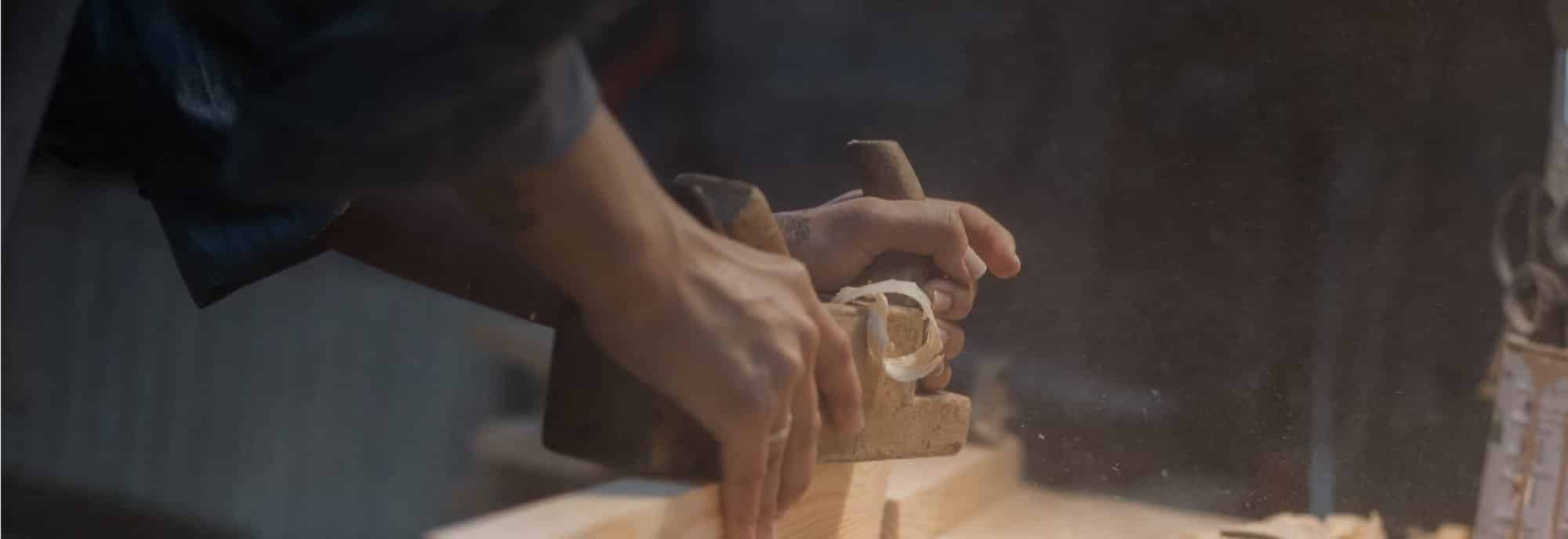
Regular checkups and preventive measures following restoration
To ensure that antique furniture remains in good condition after restoration, regular inspections are essential. If signs of wear or minor damage appear over time, appropriate measures can be taken early on. This, in turn, helps keep the costs of future restoration to a minimum.

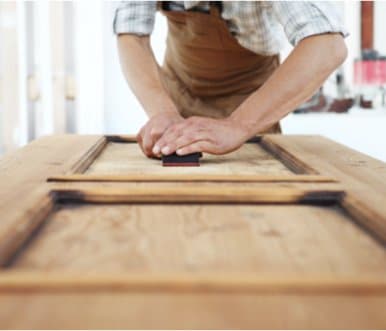
The Most Important Points at a Glance
Unlike the restoration of antique objects, which aims to return them to their former condition, the maintenance and care of works of art and cultural heritage fall under the category of preventive conservation. The focus is on the long-term preservation of works of art, which involves not only routine maintenance but also consideration of factors such as the environmental conditions surrounding a valuable object—for example, the climate or lighting.
If you’d like to properly care for and maintain antique furniture, ongoing care through a maintenance contract is ideal. Under such a contract, our experienced restorers—whose trained eyes don’t miss even the smallest signs of damage—will handle the care of your pieces for you. If damage is discovered during maintenance, measures can be taken early on, effectively preventing long-term damage from occurring.
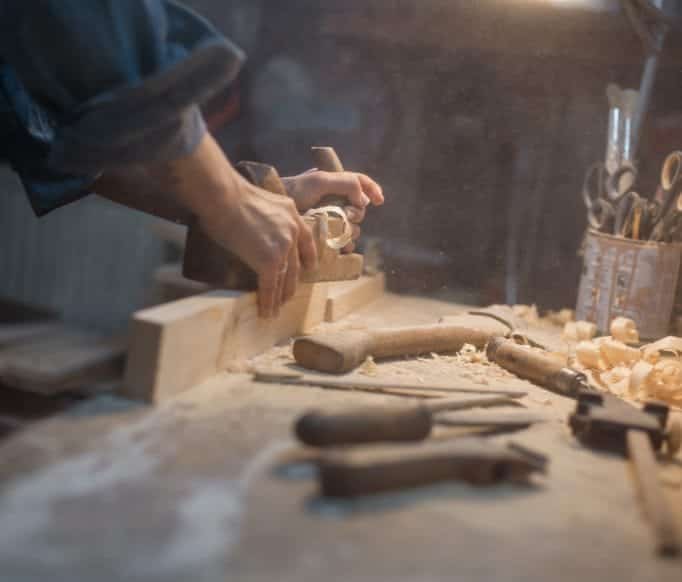
When is a maintenance contract a good idea?
To ensure that antique items are preserved for the long term, they should generally be maintained and inspected for possible damage at least once a year. For items that are in regular use—such as stairs and floors—a shorter maintenance interval is recommended, depending on the specific wear and tear the item experiences.
If antiques have been recently restored, ongoing care through a maintenance contract is advisable to best preserve their new condition over the long term. If, on the other hand, the last restoration took place some time ago, it is advisable to have your antiques appraised before signing a maintenance contract and, based on the appraisal, to commission restoration work if necessary.
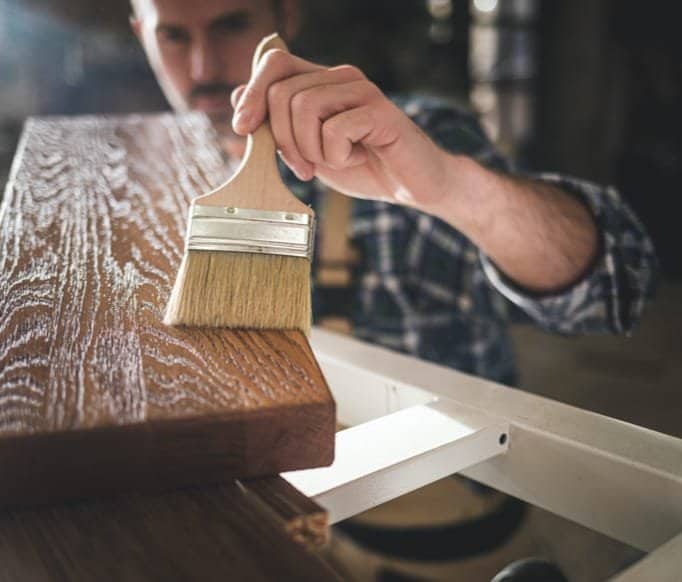
Furniture Care and Maintenance Options at ZRW Berlin
Every antique not only bears the hallmark of its maker but is also subject to its own unique environment, making its maintenance needs unique. To ensure the best possible maintenance and care for your treasures, we always tailor our ongoing object care services to the specific item through a maintenance contract.
Factors we take into account include, among others:
- Age, Provenance, Authenticity
- Environmental Conditions
- Condition and Maintenance Requirements
- the quality of repairs or conservation measures carried out to date
To ensure your maintenance contract is tailored to your needs, Philipp H. Westebbe, a certified restorer (Univ.) and cabinetmaker at our Central Restoration Workshop in Berlin, will be happy to visit you and personally inspect your antique on-site in Berlin and Brandenburg. Of course, you can send us photos in advance, which our restorers can use to make an initial assessment of the expected scope of work for maintenance and care.
By signing a maintenance contract for the expert inspection and care of your antiques, you’re taking an important step toward effective preventive conservation. Take this step together with our furniture restoration experts in Berlin, and let’s work together to preserve your antiques.
How much work does ongoing maintenance require?
The amount of maintenance and care required is determined by the specific conditions under which the item is used and can therefore vary greatly. If the antique in question is in daily use, susceptible to pests and microorganisms, or exposed to extreme weather conditions, the risk of wear and tear and damage increases—and the maintenance requirements are correspondingly higher.
With a maintenance contract, we take care of the work required to preserve your antiques. We check that all hardware and screws are secure, repair damaged parts, and address signs of wear and tear.
Frequently Asked Questions
For more complex measures, however, transport to my ZRW Berlin is essential.
You can learn more about this on my website under “How can I maintain my furniture?”
Should you have further questions, I would ask you to contact me directly so that we can find a way together for me to help you.
To ensure that you enjoy your favorite pieces for a long time to come, we would like to provide you with a few tips on proper wood care here.
Unfortunately, valuable antique furniture is often literally “maintained to death” through incorrect cleaning—to remove dust, we usually clean thoroughly with a soft, damp cloth, as we are used to doing with any other surface. However, like leather, wood is a hydrophilic material, meaning it absorbs liquids and stores unwanted substances such as dirt, grease, or dyes with them—which quickly become visible as stains on untreated wood. This cohesive force also acts through many traditional surface coatings (varnish, lacquer, shellac, etc.). Each coating, however, is based on a different chemical composition. It can be oily, waxy, greasy, hard, solvent-resistant, etc., and thus reacts in different ways to damp wiping or treatment with the latest “wood care products.” These often contain non-drying oils, which are then absorbed by the wood cells during so-called maintenance and can cause oil blooms. In such cases, radical washing of the wood, for example, to build up a new shellac polish, is the final restorative solution.
In short: When caring for furniture, the care products and the existing surface coating of the wood should be compatible. Only then will you avoid damaging the wood through cleaning or care. A trained eye, or even an examination by a restorer, can help you with identification and with advice on sensible measures in the area of wood protection.
If your furniture or wooden object has significant financial, qualitative, sentimental, or historical value, you should always commission a restorer for conservation and/or restoration.
A layperson should fundamentally avoid working on shellac surfaces. Although descriptions on the internet sound very simple, they can only be applied flawlessly with appropriate practice.
Old paintings are often hidden under layers of old paint on rustic furniture. These paint layers must be removed professionally. Fittings and hinges are also frequently cleaned too aggressively or not removed at all.
If you have a piece of furniture in need of restoration, please consult with me. If the costs are too high for you, I can provide some tips on how you can repair and treat your old treasures with a bit of manual skill.