

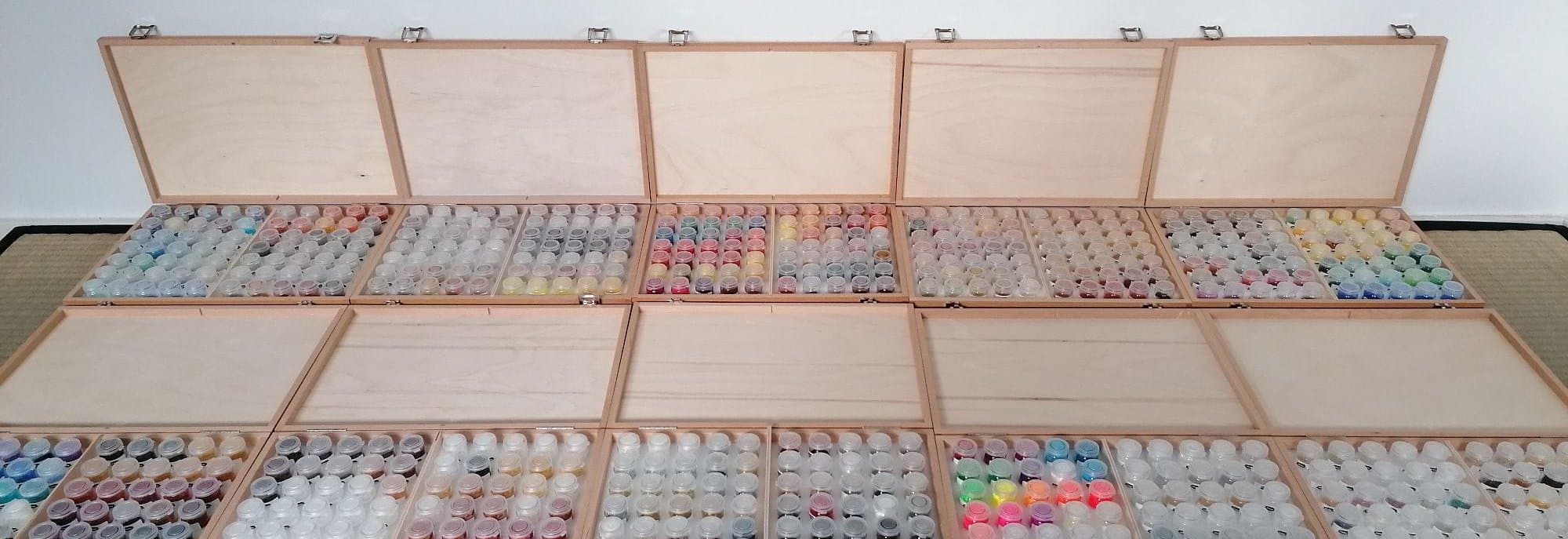
The artLABOR and Spectroscopic Analysis
The range of scientific examination methods we offer at the Zentrale Restaurierungswerkstatt Berlin includes microscopic examinations for damage analysis, material testing, forgery detection, and age determination, as well as spectroscopic analysis. We conduct these in cooperation with specialists from established institutions and expert laboratories. Especially for material analysis in the course of restoration planning, spectroscopic methods are invaluable.
What do we use it for?
We primarily use spectroscopic analyses for non-destructive and minimally destructive material analysis, damage analysis, or forgery detection. In the preliminary examination for restoration measures and for developing a suitable restoration concept, we employ non-destructive methods for material analysis on high-value art objects, valuable antique furniture, artworks, and wooden objects, so that we do not need to take samples.
Historical furniture, art objects, and furnishings were often made using materials uncommon today or have already been repaired, reworked, or restored over time. With the naked eye, it is generally not possible to discern the specific materials and modifications involved.
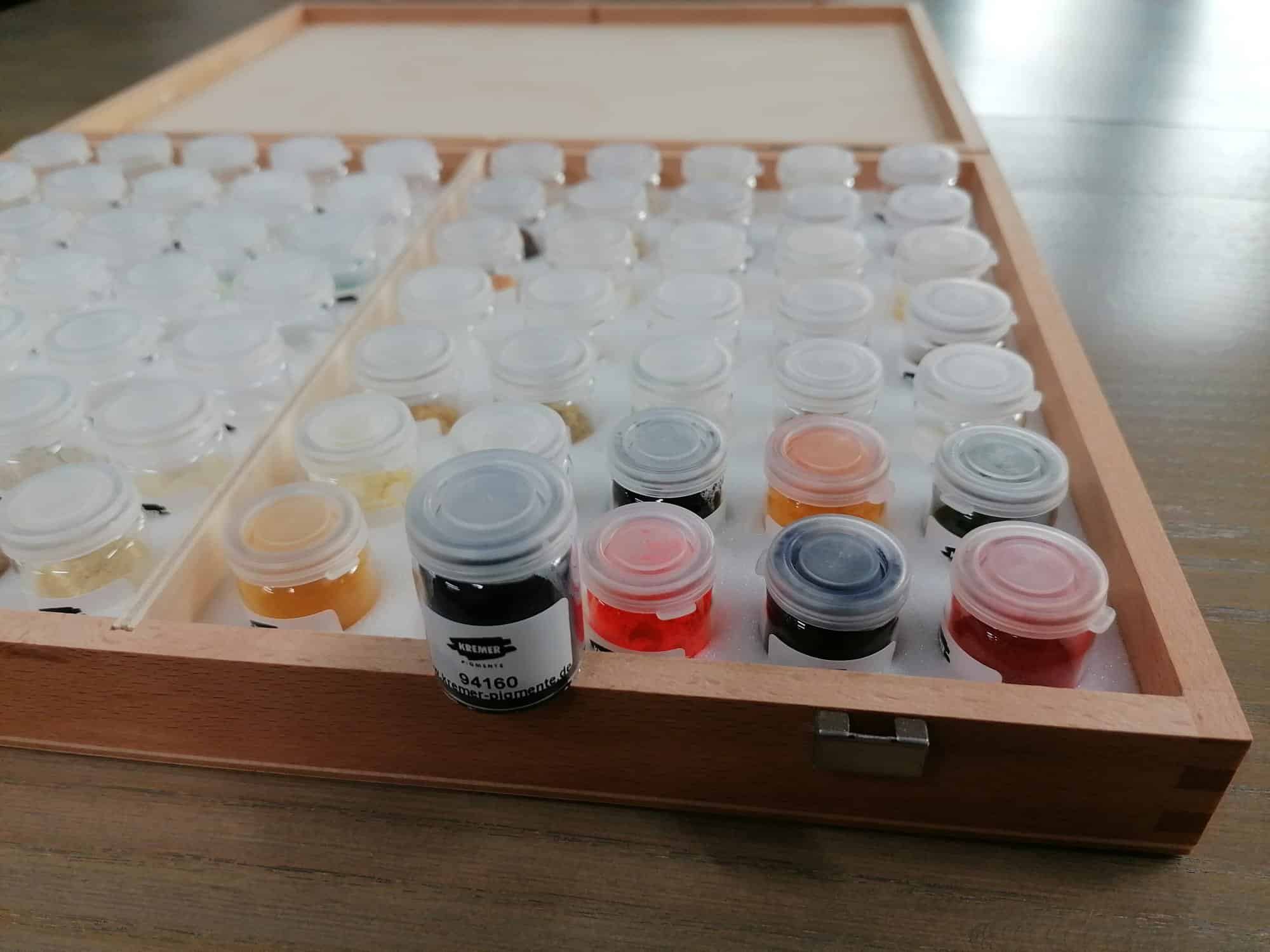
Numerous different materials can be found in or on furniture, as well as art and wooden objects, for example:
- Oils
- Proteins
- Waxes
- Resins
- Glues
- Coatings
- Varnishes
- Glazes
- Dyes
- Pigments
Identifying these as non-destructively, reliably, and precisely as possible is essential for selecting suitable materials and developing a conservation strategy and a restoration strategy in both wood and furniture restoration.
How does spectroscopy work?
Using spectroscopic analyses, we can identify every component of the materials used in furniture manufacturing and artwork creation based on their specific interaction with electromagnetic radiation.
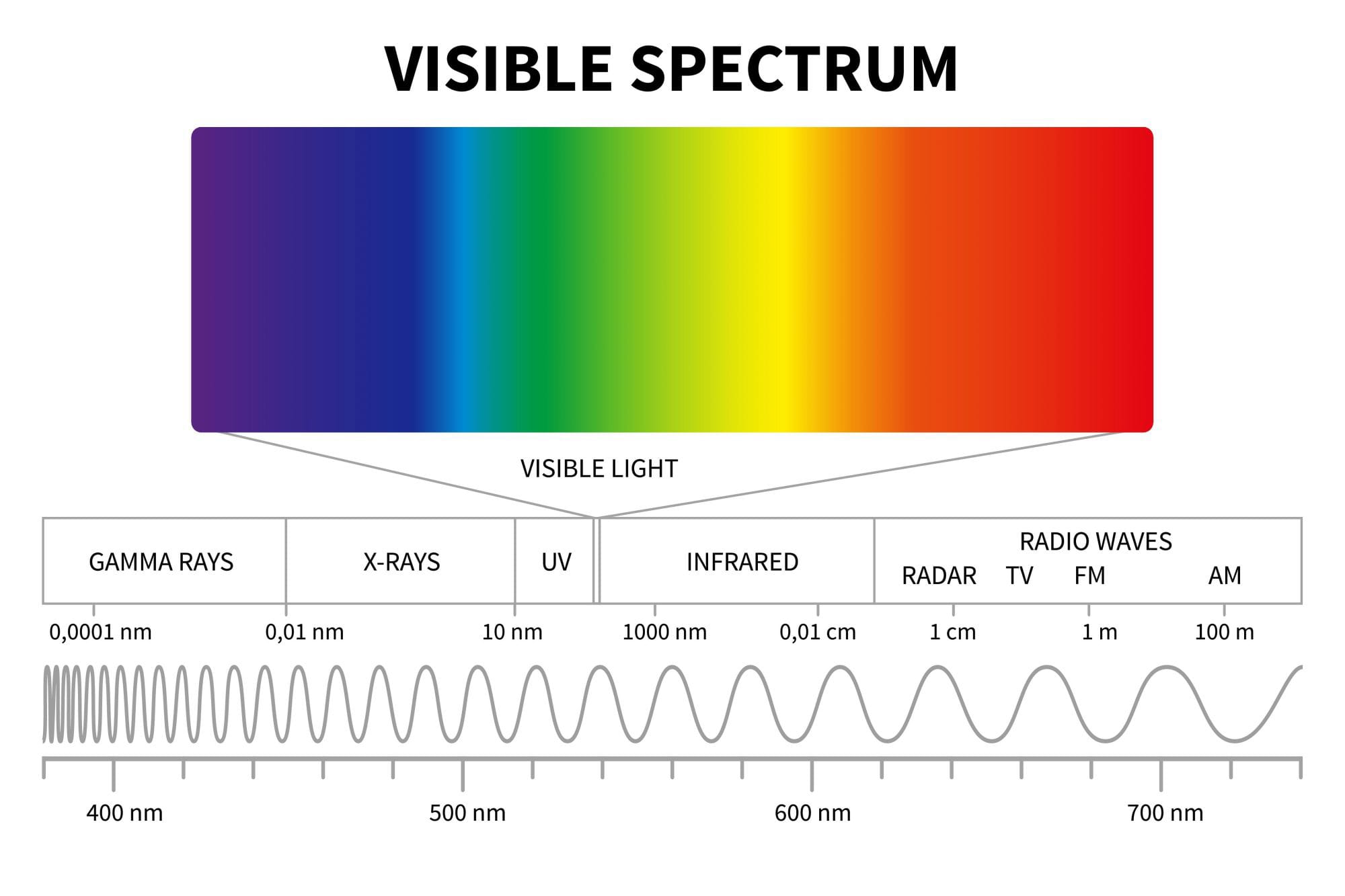
Spectroscopic methods are based on the use of the following areas of optical radiation:
- Light from the visible spectral range (English: “visible”, or Vis for short) in the wavelength range of 400 to 780 nanometers is measured with UV/Vis spectroscopy
- NIR spectroscopy (Near-Infrared, or NIR for short) works with light between 780 and 2,500 nanometers wavelength
- IR spectroscopy (Infrared radiation, or IR for short) is based on radiation in the range of 780 nanometers to 1 millimeter wavelength
- Ultraviolet radiation (UV for short) in the wavelength range of 100 to 400 nanometers is measured by UV/Vis spectroscopy
- X-ray radiation (XR for short) refers to electromagnetic waves shorter than 10 nanometers
Which spectroscopic analysis methods does ZRW Berlin apply?
The various spectroscopic laboratory methods are suitable for different applications:
- Wood age determination with infrared spectroscopy (IR spectroscopy)
- Non-destructive and minimally destructive analysis using mobile UV/Vis/NIR spectroscopy and FT-IR spectroscopy
- Material analysis: In addition to the spectroscopic analysis methods of mobile UV/Vis/NIR spectroscopy and FT-IR spectroscopy, we also use other material analysis techniques.
Which materials can be identified with spectroscopy?
The following materials and material classes can be clearly and non-destructively analyzed and identified based on the spectrometer’s display:
- Carbohydrates and polysaccharides such as gum, cellulose, and sugar, for example, gum tragacanth, honey, starch, cotton, and viscose (regenerated cellulose)
- Glass and related materials
- Natural and synthetic inorganic minerals, pigments and fillers, corrosion products, for example, kaolinite, malachite, barium sulfate, cuprite, and calcium oxalate
- Mixtures, i.e., materials with components from several classes such as paint films and composites, as well as commercial products and formulations such as verdigris in linseed oil, alkyd Prussian blue, or fiberglass
- Terpenoid-containing natural resins, hydrocarbons and related compounds such as pine resin, mastic, bitumen, myrrh, amber, and natural rubber.
- Natural and synthetic organic dyes, for example, alizarin, indigo, copper resin, or gamboge
- Oils and fats, as well as all materials containing proteins such as egg, bone glue, silk, or casein
- Chemically synthesized resins (synthetic resins) and associated additives such as plasticizers, chemically modified cellulose, for example, Paraloid B72, polyvinyl acetate, Dartek, polyethylene glycol, cellulose nitrate, or chlorinated rubber
- Waxes of animal, plant, or fossil origin such as beeswax, carnauba wax, and ceresin wax
- Materials that are not easily classifiable, for example, surfactants such as Renex KB or organic sedimentary rocks such as coal

Spectroscopic Analysis with a Plan
Let us find out in a personal consultation how we can best do justice to your antique furniture or artwork.
The following materials and material classes can be clearly and non-destructively analyzed and identified based on the spectrometer’s display:
- Carbohydrates and polysaccharides such as gum, cellulose, and sugar, for example, gum tragacanth, honey, starch, cotton, and viscose (regenerated cellulose)
- Glass and related materials
- Natural and synthetic inorganic minerals, pigments and fillers, corrosion products, for example, kaolinite, malachite, barium sulfate, cuprite, and calcium oxalate
- Mixtures, i.e., materials with components from several classes such as paint films and composites, as well as commercial products and formulations such as verdigris in linseed oil, alkyd Prussian blue, or fiberglass
- Terpenoid-containing natural resins, hydrocarbons and related compounds such as pine resin, mastic, bitumen, myrrh, amber, and natural rubber.
- Natural and synthetic organic dyes, for example, alizarin, indigo, copper resin, or gamboge
- Oils and fats, as well as all materials containing proteins such as egg, bone glue, silk, or casein
- Chemically synthesized resins (synthetic resins) and associated additives such as plasticizers, chemically modified cellulose, for example, Paraloid B72, polyvinyl acetate, Dartek, polyethylene glycol, cellulose nitrate, or chlorinated rubber
- Waxes of animal, plant, or fossil origin such as beeswax, carnauba wax, and ceresin wax
- Materials that are not easily classifiable, for example, surfactants such as Renex KB or organic sedimentary rocks such as coal
Examinations
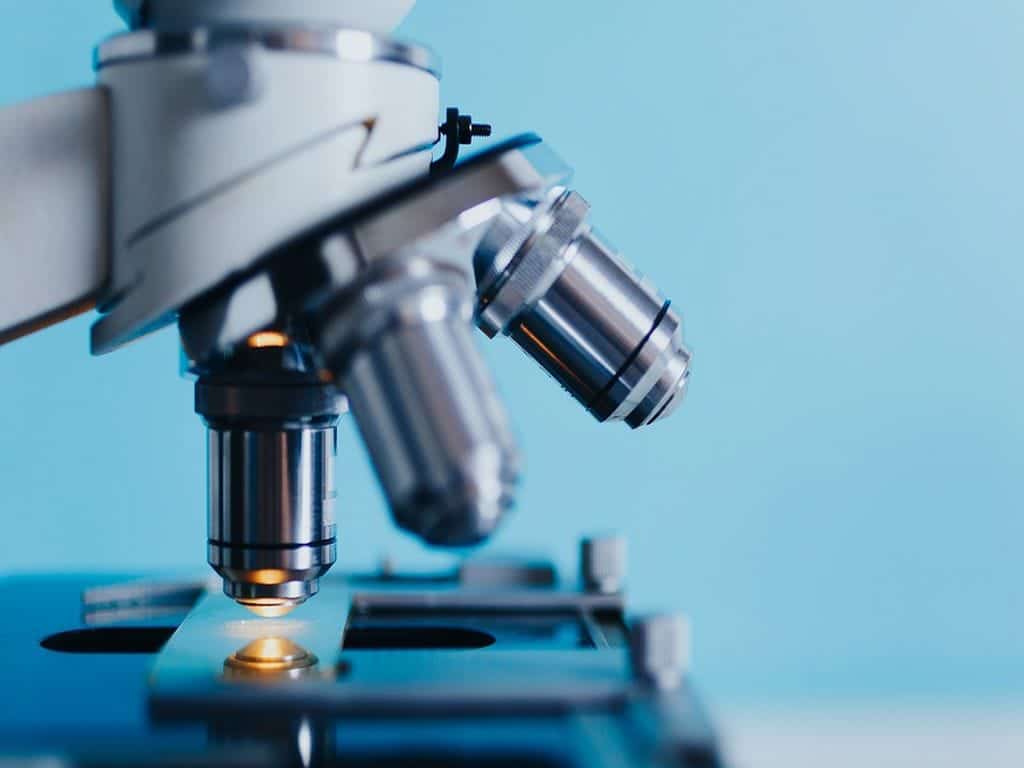
Whether for material identification, damage analysis, or authenticity determination: at the Zentrale Restaurierungswerkstatt Berlin, we are optimally equipped for various types of examinations. With our many years of experience and comprehensive knowledge in restoration and conservation, we analyze your object professionally and in detail.