

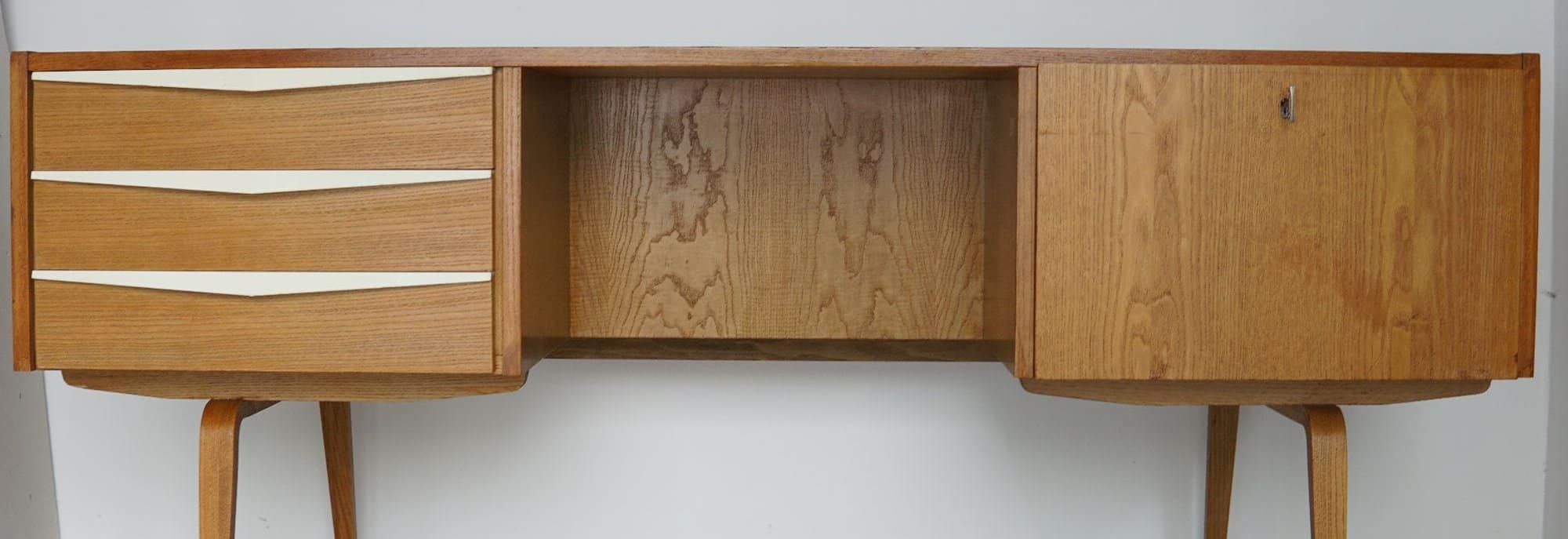

Professional Furniture Restoration for the Preservation of Antique Furniture
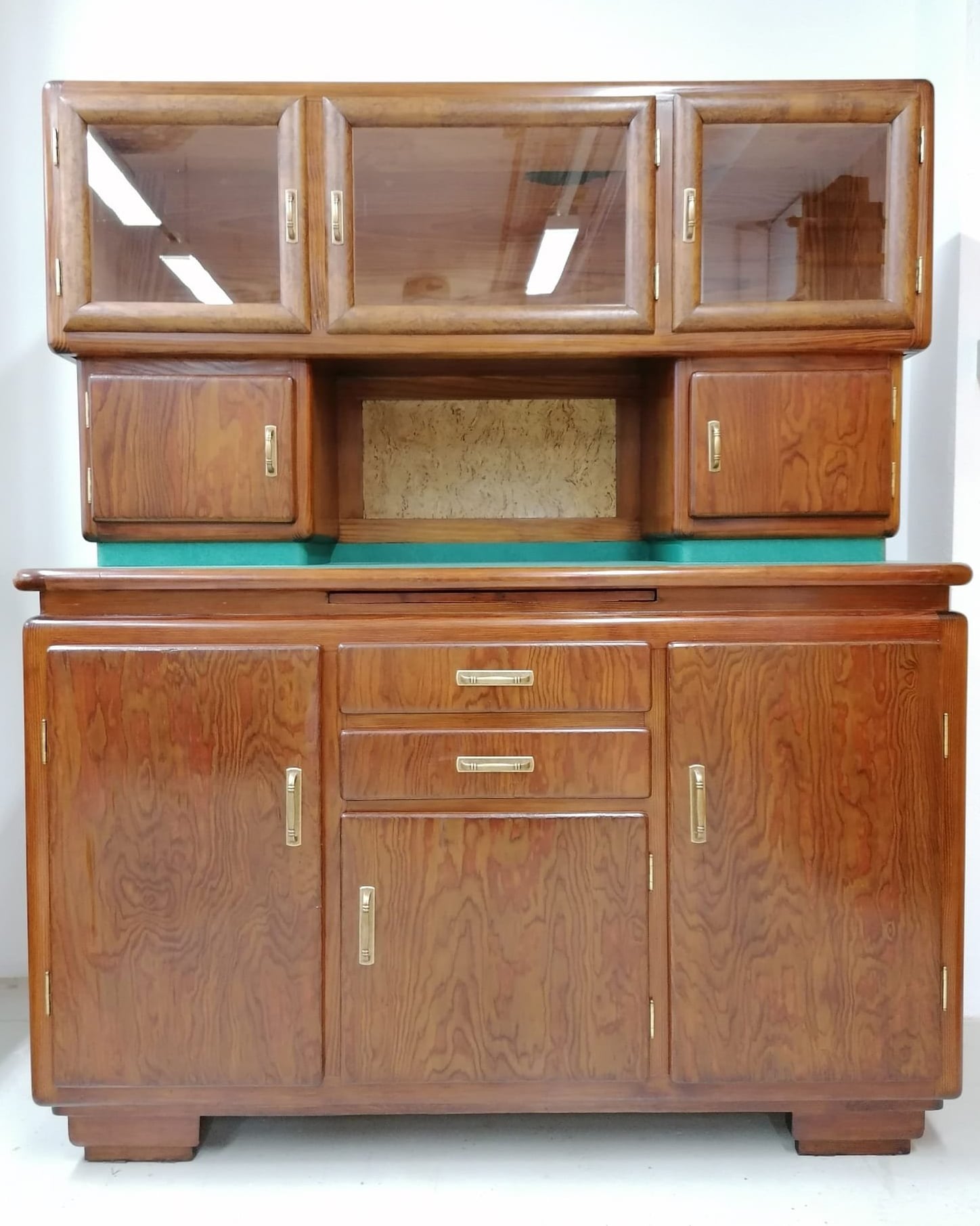
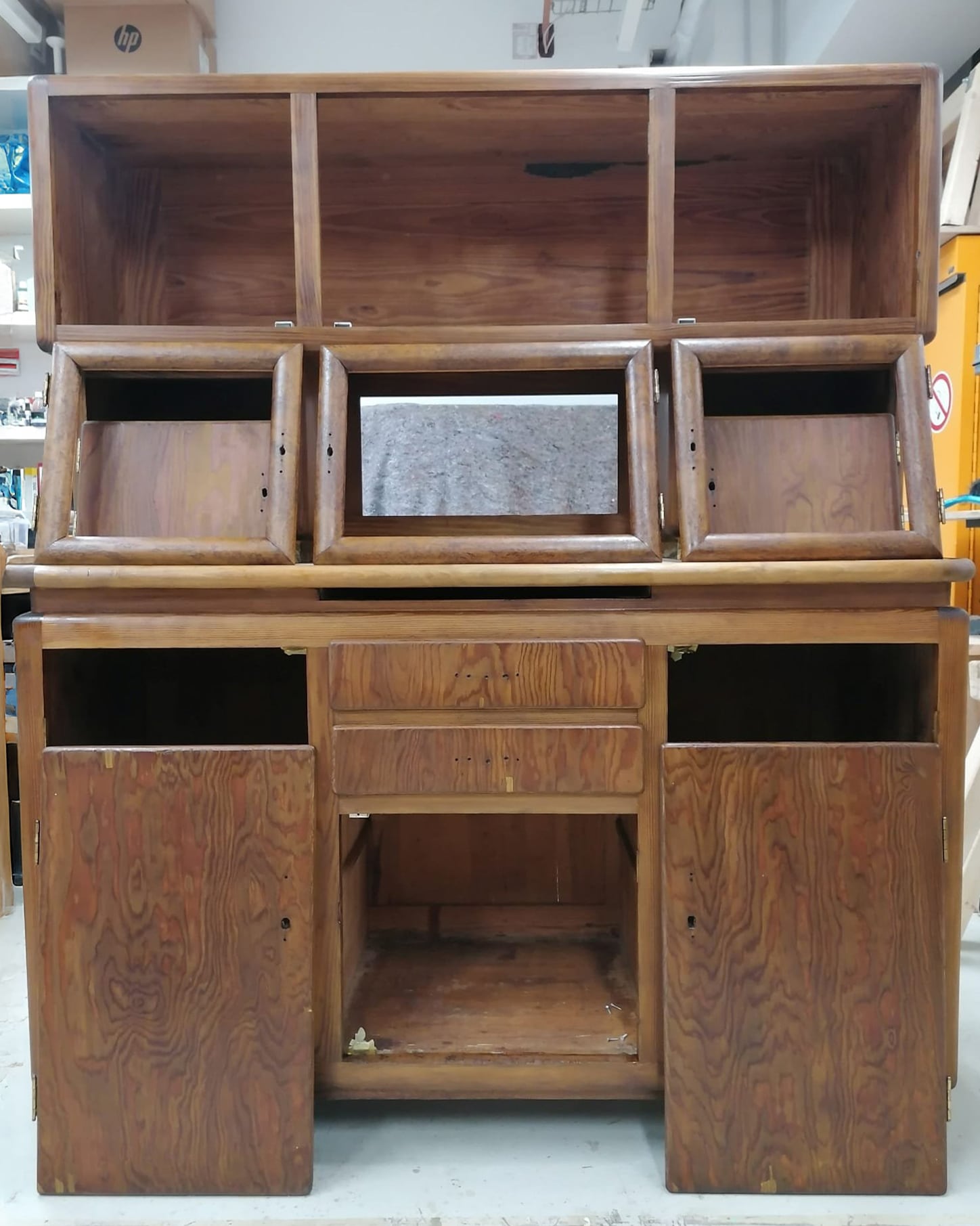
Would you like to restore the lustre of a cherished piece of furniture? As qualified restorers, we possess extensive expertise and artisanal finesse to carry out furniture restoration of pieces from various stylistic periods. We regard each individual piece of furniture as something unique, which is why we restore it with the utmost care and dedication.
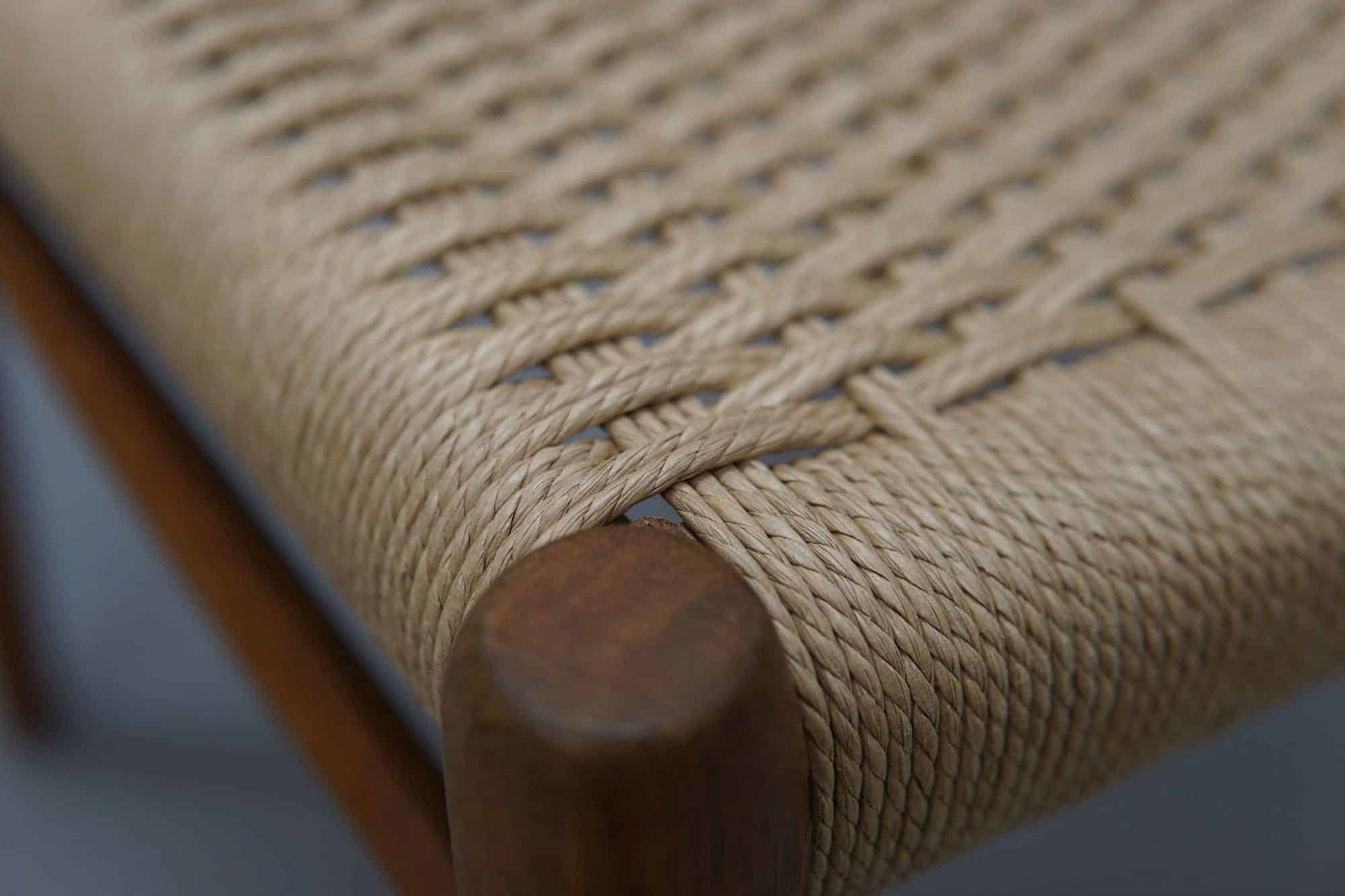
Restoration of cabinets, chairs & more
As furniture restorers at the Zentrale Restaurierungswerkstatt Berlin, we have helped numerous pieces of furniture and antiques regain their former shine. With our passion for working with cultural assets, wooden objects and furniture, we do everything we can to bring the presence of such an object back to light using restoration and conservation methods.
In restoration and conservation, we follow the Venice Charter, the central and internationally recognised guideline for monument preservation. We are also a member of the Association of Conservators (VDR) e. V.


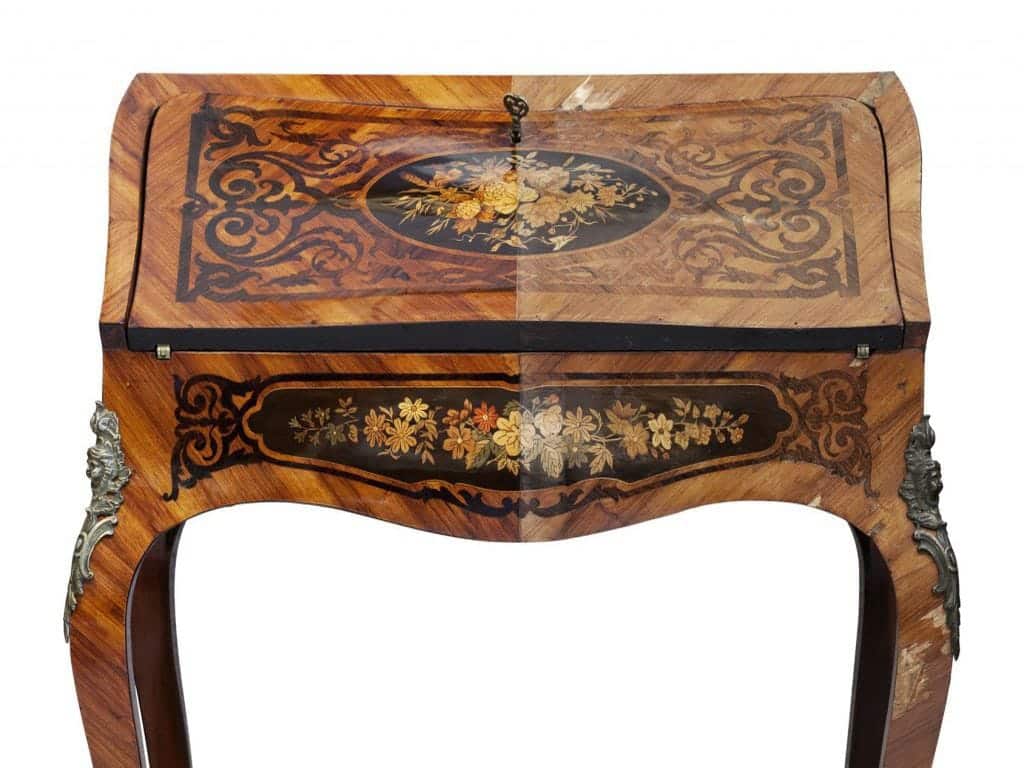
A competent and reliable partner for furniture restoration
Are you looking for expert restorers to restore your favourite piece of furniture? Or would you like to know what you should bear in mind when caring for furniture? Simply get in touch with us – we are here for you at any time and will take care of your request as quickly as possible!
All services that we carry out as part of wood or furniture restoration are performed in such a way that they are “reversible”, i.e. can be undone. We also ensure that the condition comes as close as possible to the original condition of the object in question, in order to preserve its original character.
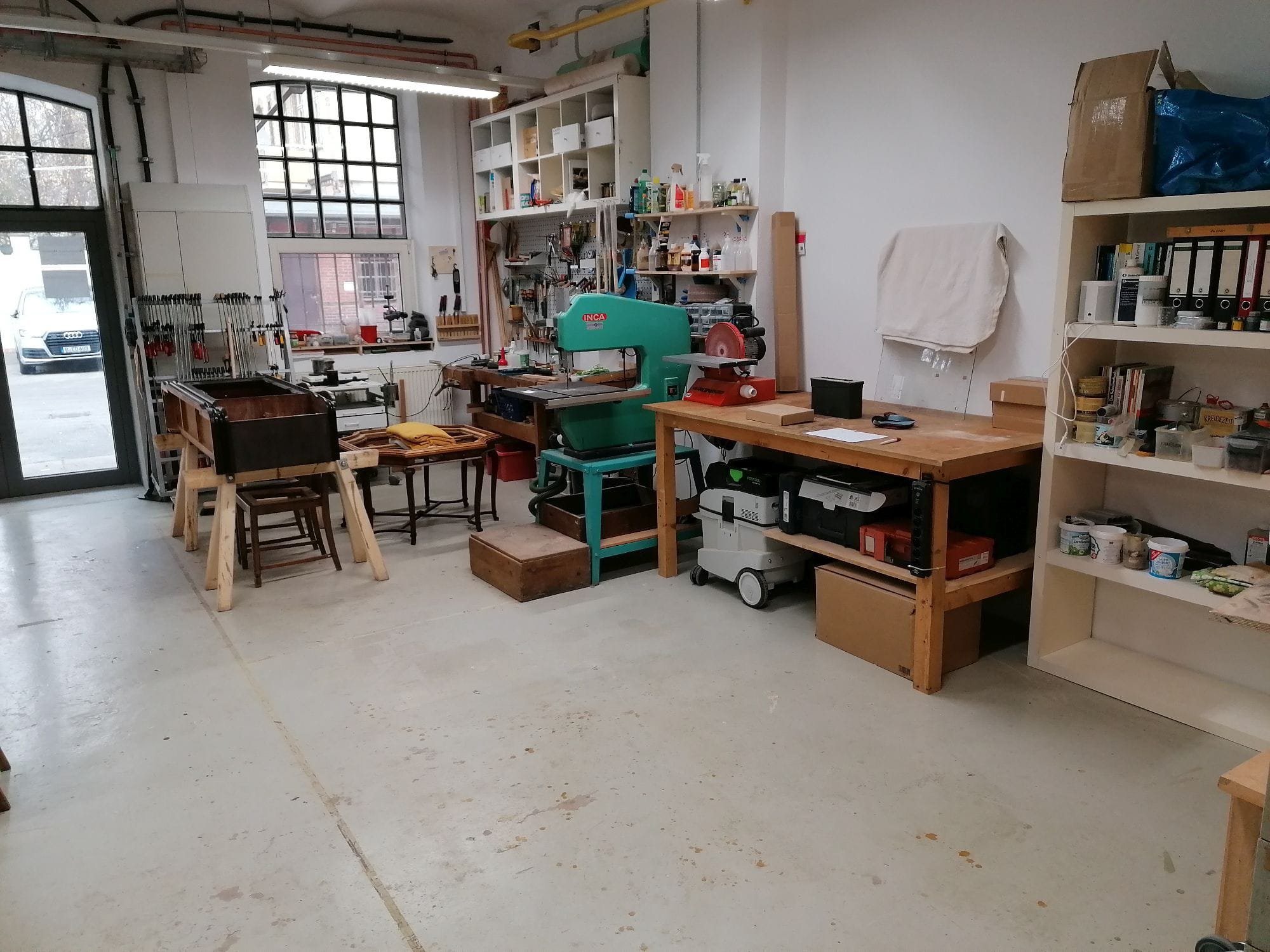
Conservation Woodwork at ZRW Berlin
To restore your piece of furniture in line with its original substance, we use a wide range of restorative woodwork, such as restoring wooden floors. As part of furniture restoration, we carry out the following work, among other things:
- Cleaning the piece of furniture or wooden object
- Checking the construction for stability and securing loose parts
- Inlay and marquetry work
- Repairing drawers and other moving parts
- Restoring the ability to close and lock chests, cabinets, doors and drawers
- Reconstructing missing parts and sections
As part of furniture restoration, we use suitable materials, determine wood species and dating, as well as binding agents. We also carry out pigment analyses and scientific examinations to ensure that no damage occurs during our work and that we restore your furniture perfectly.
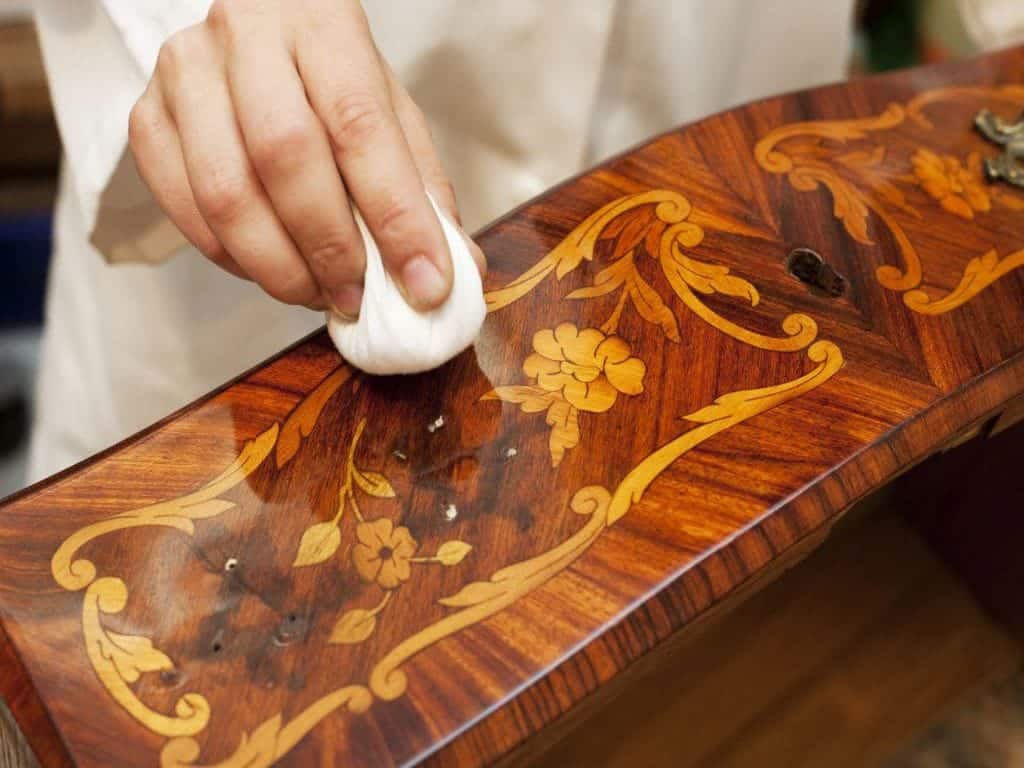
Surface work on your favourite piece of furniture
- Cleaning the piece of furniture
- Exposing the original surfaces of the piece of furniture
- Carrying out polychromy work
- Stripping or leaching
- Sanding
- Varnishing
- Polishing furniture with wax, oil or shellac polish
- Carrying out retouching
Furniture restoration: High-quality metalwork
With our many years of experience in furniture restoration and conservation, we professionally dedicate ourselves to eliminating signs of wear and ageing on metal furniture or metal inlays in your piece of furniture. We also carry out a wide range of work when restoring your metal furniture to get it back into shape. In the event of damage, we either restore metal inlays or replace them with new ones. We also patinate and (dis)assemble metal inlays to make them look like new again. In addition, we can carry out gilding, silvering and leaf metal work as part of furniture restoration, giving your pieces of furniture a unique charm.
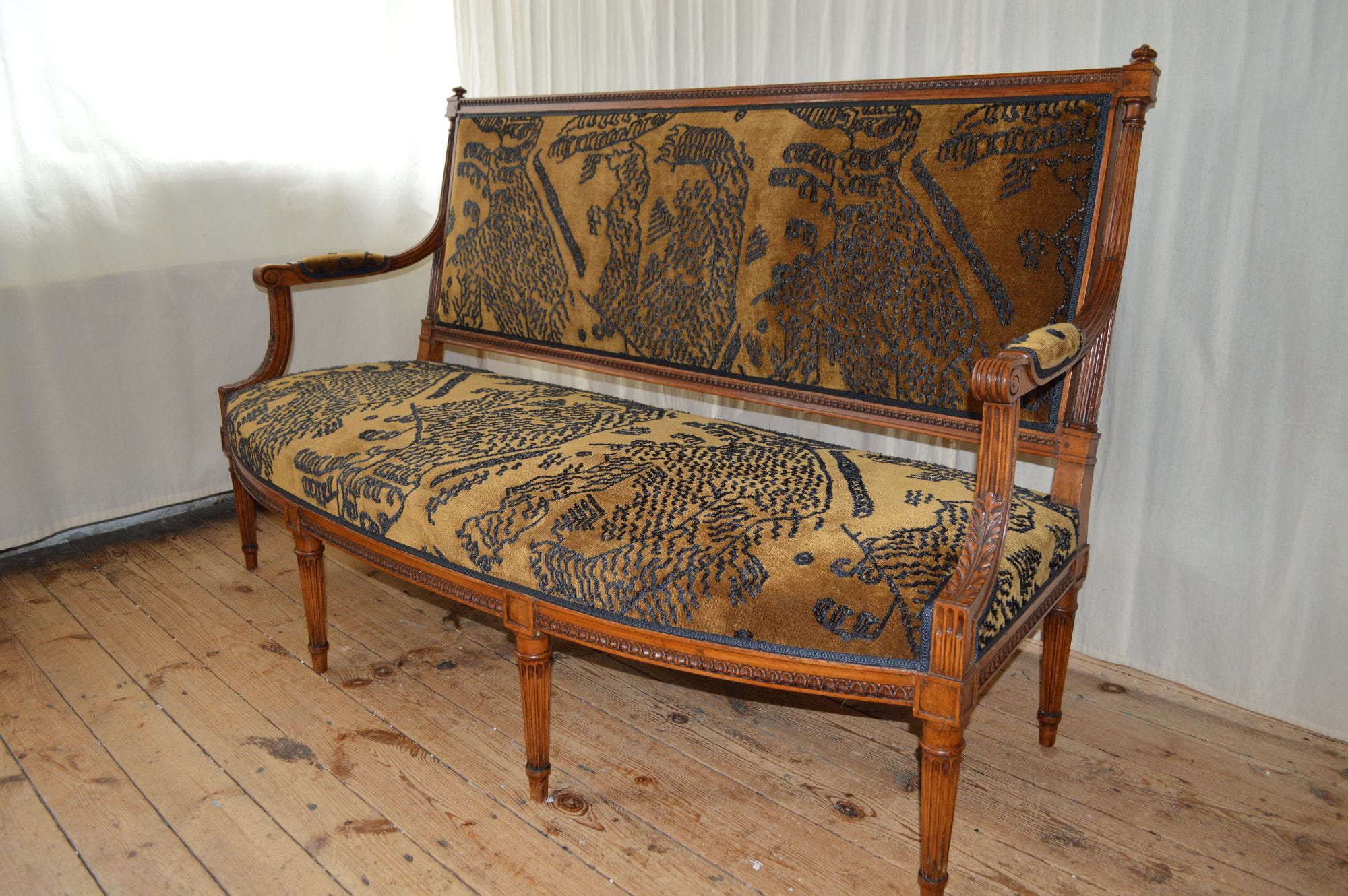
Mother-of-pearl, leather & felt work on your furniture
- Reconstruction of missing mother-of-pearl parts or engravings
- Adding leather surfaces to gaming tables, chests of drawers or writing desks
Restoration at a high level
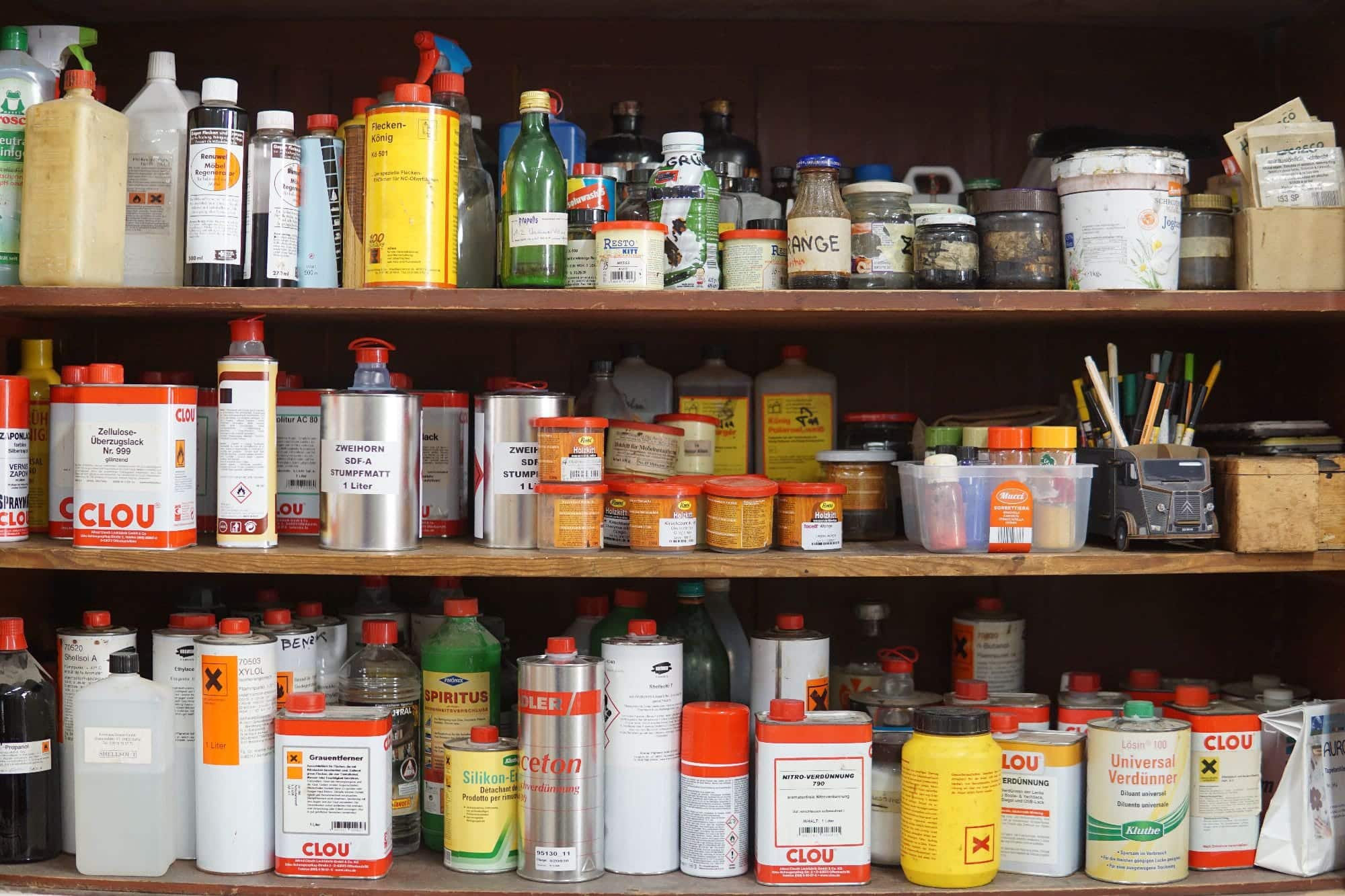
Expert restoration advice at ZRW Berlin
If you would like to obtain a non-binding quote, please send us a few overall and detailed photos of the object in question directly. Our experienced wood and furniture restorers led by Dipl.-Restaurator (Univ.) and cabinetmaker Philipp Westebbe will get back to you as quickly as possible to arrange a personal on-site appointment with you in Berlin or Brandenburg. It takes a maximum of two working days for you to receive your individual quote for furniture restoration Berlin. With our comprehensive expertise, we are your point of contact for furniture and wood restoration in Brandenburg and Berlin. We look forward to your enquiry!

Frequently Asked Questions
Pronunciation: IPA: [ˈmøːbl̩]
Meanings: Singular uncommon: large furnishing item
Etymology: borrowed in the 17th century from French meuble → fr,
which derives from Latin mobile → la “movable property”
Translations:
- Arabic (DMG):
- a) Modern Standard Arabic: مُوبِيلِيَا / مُوبِيلْيَا (mōbīliyā / mōbīlyā) → ar f,
- b) قِطْعَةُ أَثَاثٍ / قِطْعَة أَثَاث (qiṭʿatu aṯāṯin / Pausa: qiṭʿat aṯāṯ) → ar f,
- c) mostly collective: أَثَاث (aṯāṯ) → ar m
- Danish: møbel → da n
- English: item → en / piece → en of → en furniture → en, collective: furniture → en
- Esperanto: meblo → eo
- Finnish: huonekalu → fi, kaluste → fi
- French: meuble → fr m
- Greek (Modern) (internal transcription): έπιπλο (épiplo) → el n
- Hebrew (CHA): רָהִיט (rāhī́ṭ) → he m, collective: רִהוּט (rihūṭ) → he m
- Italian: mobile → it m
- Japanese (Hepburn): 家具 (かぐ, kagu) → ja
- Catalan: moble → ca m
- Latin: Medieval Latin: intrinsecum → la n
- Norwegian: møbel →no n
- Polish: mebel→ pl m
- Portuguese: mobília → pt
- Russian (ISO 9): мебель (mebelʹ) → ru f
- Swedish: möbel → sv u
- Slovak: nábytok → sk m
- Spanish: mueble → es m, muebles → es
- Czech: nábytek → cs m
- Turkish: mobilya → tr, möble → tr
- Hungarian: bútor → hu
The private client expects the totality of functionality and appearance to be restored without neglecting the history of the furniture. The restorer must establish a symbiosis with the furniture; he must get to know it. Know when and by whom it was created. With modern designer furniture, it is particularly important to preserve the designer’s intention.
However, there are also private clients who expect restoration to make the furniture look as if it were just created. For a restorer, this would mean violating all the rules of his professional art. In the area of visible aesthetics, this can still be partially done. However, when it comes to the material wood itself, this wish has professional ethical limits. One can conserve, reconstruct, or create missing areas in wood pieces, but never make old into new.
Antiques in the field of wood and furniture were often made with materials that in our time are difficult to obtain, no longer available, or only obtainable at great financial expense. Not in every case does the effort justify the intention.
The object of restoration is always the original material. With historic furniture, however, the term refers to the work as it presents itself to the restorer at the moment restoration begins. Not the time, the respective cultural epoch of manufacture.
The restorer applies appropriate technologies, subordinating his own craftsmanship and creativity to this overarching goal.
Object research, the reconstruction of the work’s history, becomes a central work step here. From this, it can be decided in individual cases which parts are absolutely worth preserving, which can and should be sacrificed to enable access to earlier versions. What constitutes soiling to be removed and what is worth preserving as historical evidence, which parts should not be retained as disfiguring foreign bodies or irregular alterations.
Depending on the measure, drying time is required, parts may need to be newly produced, some of which are handcrafted, etc. One can only guarantee for oneself, but not for partners and suppliers.
With every restoration, “surprises” may become visible that were not recognizable beforehand. However, I always maintain contact with my clients and regularly inform them of the current status of commission processing.
If there are no concerns regarding functionality, wood additions are also made with naturally aged materials and comparable patina for aesthetic reasons. In furniture restoration and wood restoration, gluing or consolidation is carried out using various time-tested agents such as hide and bone glue, sturgeon glue, parchment glue, cellulose derivatives, etc.
If wood must be replaced, it comes either from the material collection of my ZRW Berlin or from well-known veneer and timber merchants in Europe. If the original furniture was already built with machine-cut knife veneer, then only knife veneer is used.
Natural varnishes are produced in our own workshop for color tone, haptics, and important surface protection.
To ensure that you enjoy your favorite pieces for a long time to come, we would like to provide you with a few tips on proper wood care here.
Unfortunately, valuable antique furniture is often literally “maintained to death” through incorrect cleaning—to remove dust, we usually clean thoroughly with a soft, damp cloth, as we are used to doing with any other surface. However, like leather, wood is a hydrophilic material, meaning it absorbs liquids and stores unwanted substances such as dirt, grease, or dyes with them—which quickly become visible as stains on untreated wood. This cohesive force also acts through many traditional surface coatings (varnish, lacquer, shellac, etc.). Each coating, however, is based on a different chemical composition. It can be oily, waxy, greasy, hard, solvent-resistant, etc., and thus reacts in different ways to damp wiping or treatment with the latest “wood care products.” These often contain non-drying oils, which are then absorbed by the wood cells during so-called maintenance and can cause oil blooms. In such cases, radical washing of the wood, for example, to build up a new shellac polish, is the final restorative solution.
In short: When caring for furniture, the care products and the existing surface coating of the wood should be compatible. Only then will you avoid damaging the wood through cleaning or care. A trained eye, or even an examination by a restorer, can help you with identification and with advice on sensible measures in the area of wood protection.
If your furniture or wooden object has significant financial, qualitative, sentimental, or historical value, you should always commission a restorer for conservation and/or restoration.
A layperson should fundamentally avoid working on shellac surfaces. Although descriptions on the internet sound very simple, they can only be applied flawlessly with appropriate practice.
Old paintings are often hidden under layers of old paint on rustic furniture. These paint layers must be removed professionally. Fittings and hinges are also frequently cleaned too aggressively or not removed at all.
If you have a piece of furniture in need of restoration, please consult with me. If the costs are too high for you, I can provide some tips on how you can repair and treat your old treasures with a bit of manual skill.