

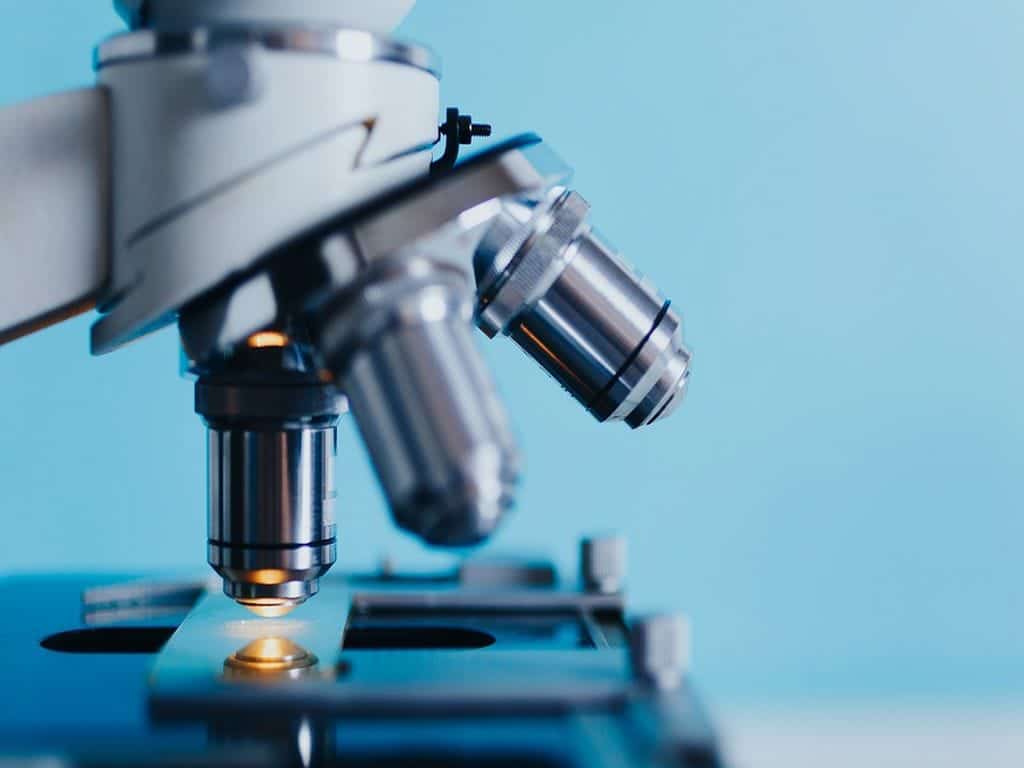
artLABOR ® and microscopic examination
At Zentrale Restaurierungswerkstatt Berlin, we have the capacity to carry out standard scientific examinations on furniture. This includes spectroscopic examination of furniture and wooden furnishings. A (microscopic) examination of the piece of furniture in advance is necessary not only for condition assessment and material identification for damage analysis, but also for determining authenticity, dating and provenance.


A closer look
Has your antique piece of furniture been damaged, or are you planning the restoration of an old piece of furniture? Before we, the furniture restorers at ZRW Berlin, take any measures to remedy damage or to restore and conserve your piece, we need to find out as much as possible about the individual object.
Despite decades of experience and expertise in the field of furniture restoration in Berlin and Brandenburg, the naked human eye simply cannot see deeply enough to obtain sufficient information for a condition report, a damage analysis or a restoration concept. That is why, alongside other scientific methods, we also use spectroscopic examinations. Among other things, these help us to identify hidden structures, textures and details, and to identify wood species, binders, metals and varnishes.
However, it is also advisable, in order to track down forgeries, not to rely solely on knowledge of art-historical typology, but to use microscopic examination to investigate tool marks and check whether the materials and techniques used match the presumed dating of the piece of furniture. Such an authenticity check, in turn, forms the basis for a valuation of your furniture in the event of damage or for sale.
However, it is also advisable, in order to track down forgeries, not to rely solely on knowledge of art-historical typology, but to use microscopic examination to investigate tool marks and check whether the materials and techniques used match the presumed dating of the piece of furniture. Such an authenticity check, in turn, forms the basis for a valuation of your furniture in the event of damage or for sale.
Light microscopy examinations
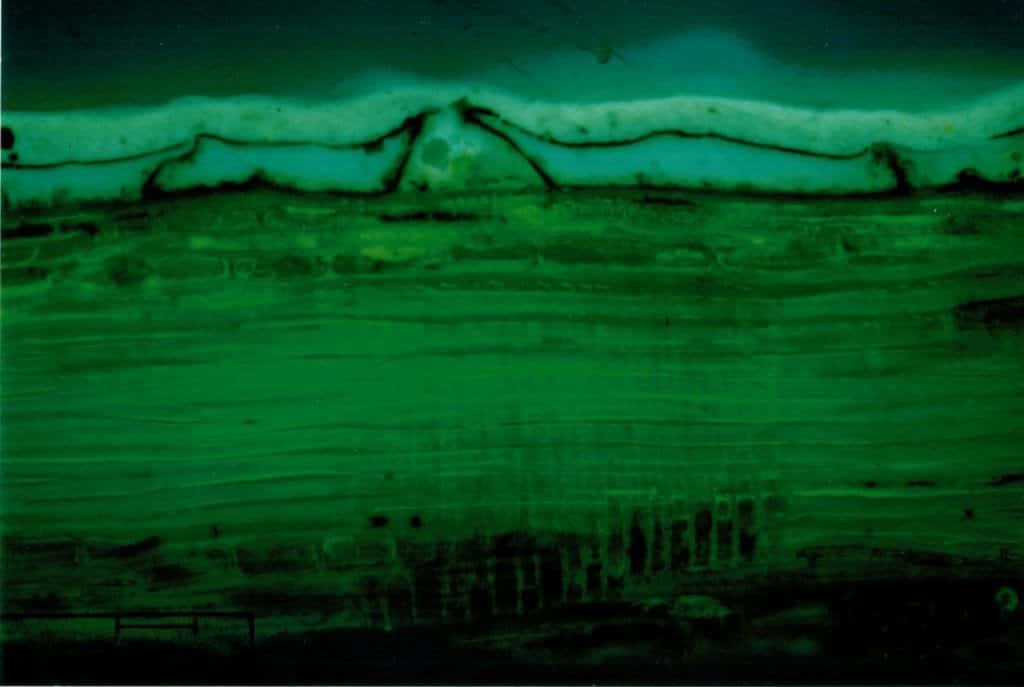
We use microscopic examinations, for example, to clarify the layer sequence of coatings and varnishes.
For this purpose, light microscopy methods from other institutions could be consulted:
- Reflected-light microscopy,
- transmitted-light microscopy and
- fluorescence microscopy.
A light microscopy examination is considered a particularly material-friendly method for
- condition assessment for damage analysis,
- checking authenticity (authenticity testing),
- selecting suitable materials for conservation or restoration measures, as well as
- age determination and assigning the piece of furniture to a stylistic period.
It is usually non-invasive, i.e. it does not require any damage to the object by taking a sample.
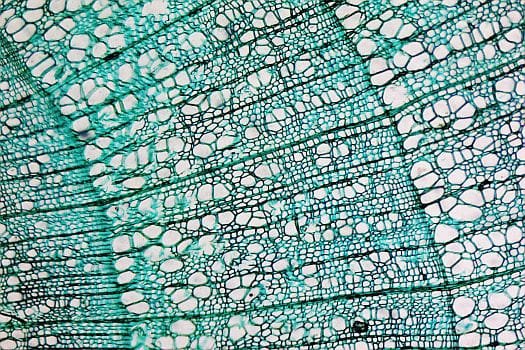
Microscopic examination is also a viable method for identifying wood species in furniture. However, this requires the preparation of a thin section and therefore a minimally invasive approach. If, however, the piece of furniture was made from hard tropical woods, wood identification by microscopic examination can only be used to a limited extent. With European wood species, on the other hand, preparing a thin-section specimen for microscopy and reliably identifying the wood species is generally not a problem.
Polarisation microscopy and UV fluorescence microscopy
We usually determine colour-imparting substances (pigments) and the chemical composition of metallic coatings on furniture using instrumental analysis. In special cases, however, we can also offer a successful examination with a polarising microscope via our partners at other institutions.
To clearly identify binders such as drying oils, proteins, waxes, resins, glues, as well as coatings, varnishes and glazes on historic wooden furniture, wooden objects and built-in timbers, a material analysis using UV fluorescence microscopy is a good first step, alongside microchemical group tests and histochemical staining methods.
Microscopic examination and many more options at ZRW Berlin
The range of scientific examination options is far from exhausted by the methods of microscopic examination of furniture described above. For more complex scientific examinations of wooden furniture, our wood and furniture restorers at ZRW Berlin work together with specialists from established institutions and specialist laboratories such as the Rathgen Research Laboratory (National Museums in Berlin), the Technical University of Berlin and the Technical University of Munich. This considerably expands the range of possible examinations and includes, among other things:
- Wood age determinations using FT-IR spectroscopy
- Instrumental analysis for non-destructive, low-destructive and imaging examinations such as binder analyses, pigment analyses, wood species identification, wood age determination
- Examination for pest infestation and carrying out pest identification
Whatever question you have always wanted to ask about your piece of furniture, we will find the right method to get the answer!