


Sustainability

Sustainability in Restoration

Verband_der_Restauratoren

Sustainability in the Restoration of Art and Cultural Heritage – An Introduction

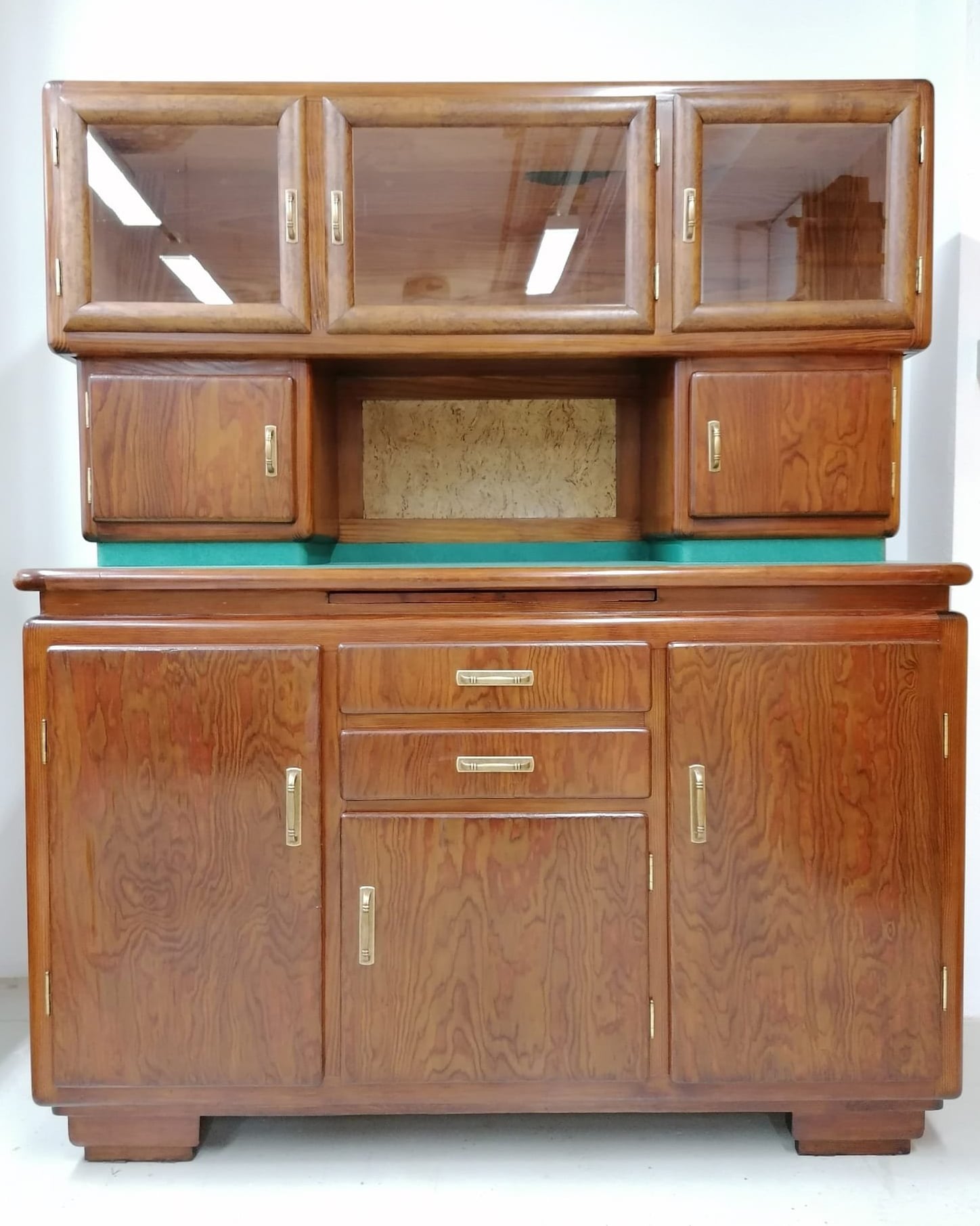
ZRW Berlin explains the concept of “sustainability” and emphasizes its relevance to the preservation of cultural heritage. Sustainability in restoration refers to long-term conservation practices and the responsible use of resources. The challenges and opportunities of sustainability in restoration must be discussed, including the environmental impacts and ecological challenges that arise in restoration practice. The positive effects of sustainable restoration on the environment and society should be highlighted. Integrating sustainability principles into restoration not only enables the protection of cultural heritage but also promotes a conscious and sustainable use of available resources. The importance of sustainability in restoration is made clear in order to raise readers’ awareness of the relevance of this topic.
Sustainability
Art & Cultural Heritage

Sustainable Materials and Techniques

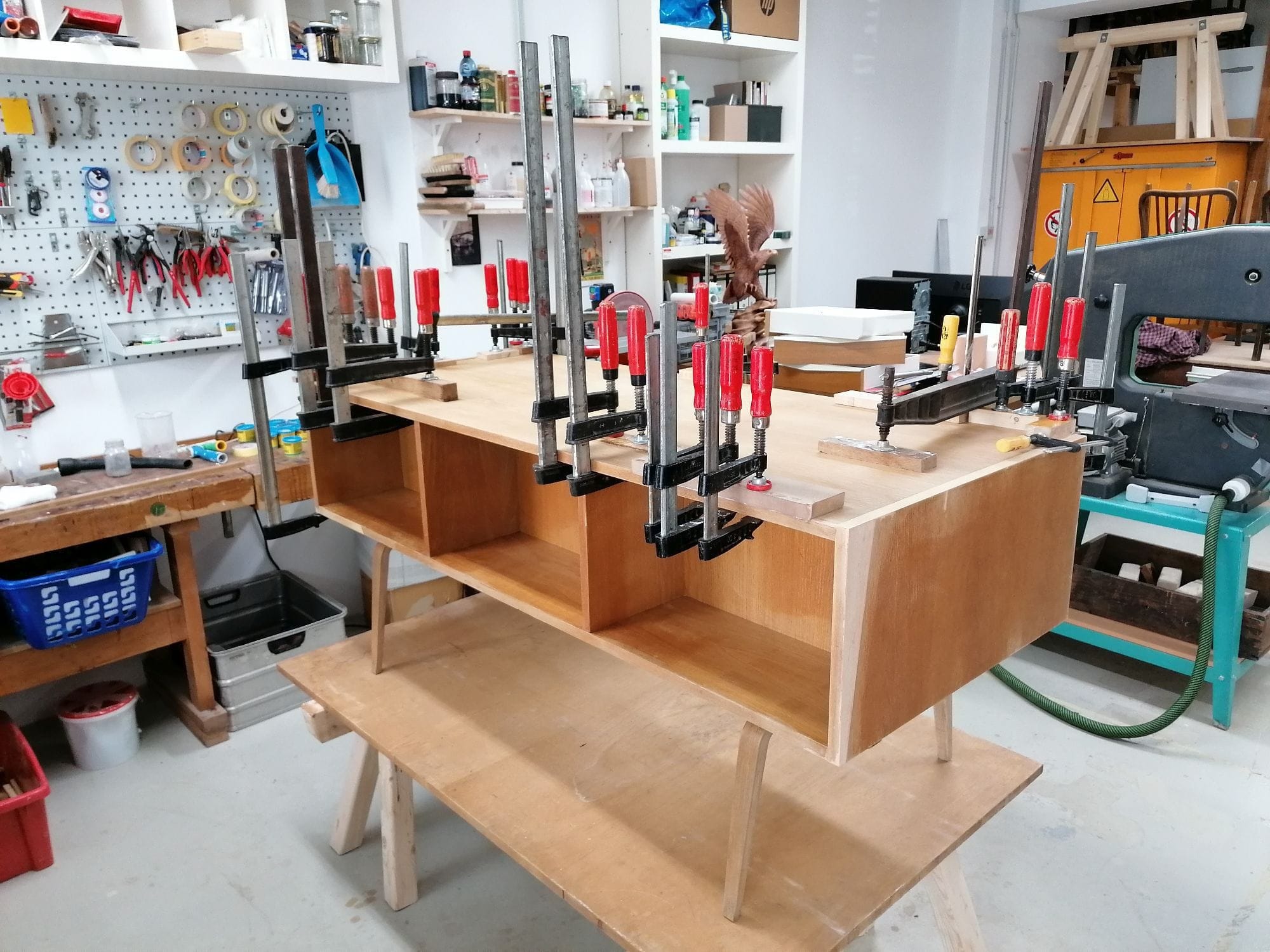
Environmentally friendly materials, such as natural pigments, organic solvents, and sustainably sourced wood, which improve both the durability of the restored objects and their environmental performance. Energy-efficient restoration techniques that reduce energy consumption during the restoration process—such as LED lighting and energy-efficient climate control systems—should be considered. By using sustainable materials and techniques, the ecological footprint of the restoration can be minimized. It is important to highlight the benefits of these practices, both in terms of environmental sustainability and the long-term preservation of the restored works of art and cultural heritage. Integrating sustainability into restoration techniques makes it possible to ensure the protection of cultural heritage in accordance with ecological principles.
Ressourcenschonend
Sustainable

Effective Resource Management and Waste Reduction in the Restoration of Art and Cultural Heritage
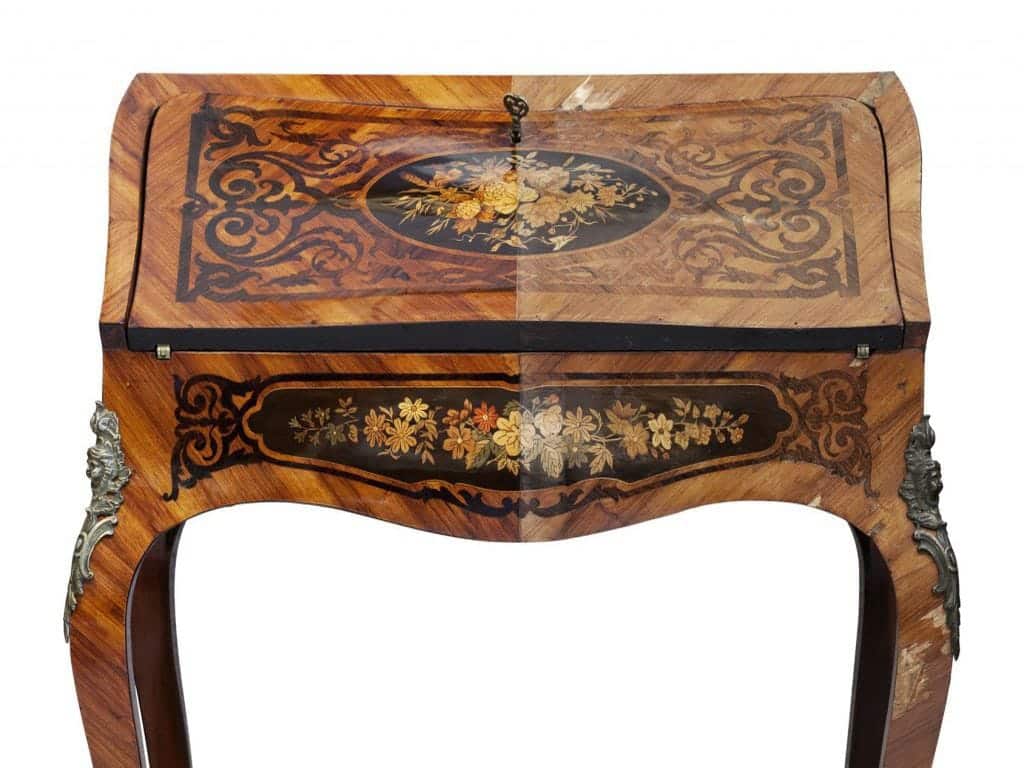
Sustainable procurement of restoration materials can help reduce the environmental footprint. Selecting suppliers and manufacturers that support environmentally friendly practices is of great importance. Certifications and standards that assist in selecting sustainable restoration materials can be taken into account. Strategies to minimize waste during the restoration process—such as reusing materials or ensuring proper disposal—are important. Recycling options for restoration materials are also important for conserving resources. Through effective resource management and waste reduction, the restoration of art and cultural heritage can make a positive contribution to sustainability while minimizing environmental impact.
Sustainability
For Restoration Practice

Environmentally Friendly Restoration Techniques

ZRW emphasizes the importance of developing restoration practices that are in harmony with nature. Gentle cleaning techniques that use biodegradable products are well established. The impact of climate change on the preservation of art and cultural heritage is being studied. Measures to prevent damage caused by climate change, such as controlling temperature and humidity, are discussed at conferences. The integration of environmentally friendly restoration methods respects the natural characteristics of the objects while also supporting environmental protection. By employing these eco-friendly techniques, the restoration of art and cultural heritage can be made sustainable by protecting both the works themselves and their surroundings.
Repertoire
Consciously

Education and Awareness-Raising in the Field of Sustainable Restoration of Art and Cultural Heritage
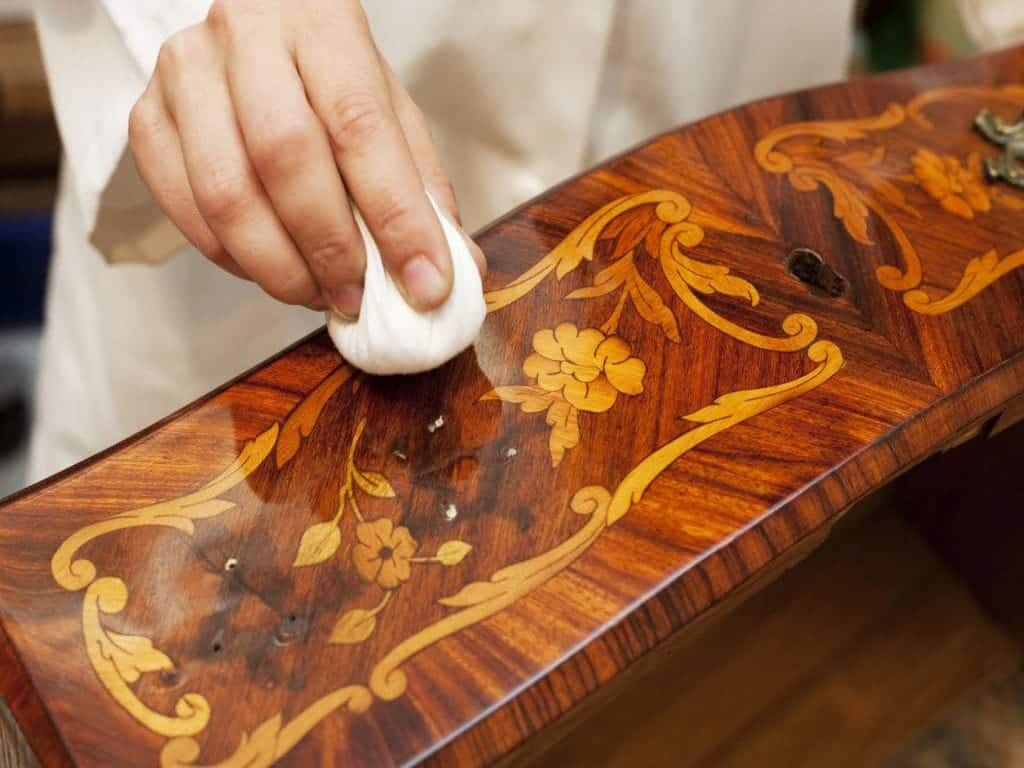
It is emphasized that integrating sustainability principles into the training of conservators is essential. Training professionals in sustainable practices and techniques enables them to implement environmentally friendly approaches in their work. Furthermore, raising public awareness is of great importance. Educating the public about sustainable restoration and its contribution to environmental protection helps raise awareness of the importance of preserving cultural heritage. Various activities, such as exhibitions, events, and digital media campaigns, can be used to educate the public about sustainable restoration. Comprehensive education and awareness-raising are crucial for fostering a long-term commitment to sustainable practices in restoration and for strengthening awareness of the importance of protecting cultural heritage.
Sustainability
Sustainable Restoration

Partnerships and Collaboration Are Important

Collaboration with environmentally focused organizations can help facilitate the exchange of best practices and the sharing of resources. These partnerships strengthen the integration of sustainable practices. In addition, collaboration with other conservators is emphasized to promote the exchange of experiences and to work together on sustainable solutions. Conferences, workshops, and online forums provide platforms for knowledge sharing and networking within the conservation community. Collaboration makes it possible to work together on challenges and develop innovative approaches to make restoration more sustainable. Through partnerships and collaboration, synergies can be created that drive the implementation of sustainable practices in restoration and promote the protection of cultural heritage.

ZRW Berlin

Furniture Restoration in Berlin & Brandenburg

With our many years of experience as restorers and our passion for preserving cultural artifacts of all kinds, we do our very best to professionally restore your favorite piece of furniture and showcase it to its best advantage. In all our restoration and conservation work, we exercise the utmost care—ensuring invisible interventions and a visibly positive result.

If you would like to request a no-obligation quote, please feel free to send us some general and detailed photos of the item in question. Our experienced wood and furniture restorers, led by certified restorer (Univ.) and carpenter Philipp Westebbe, will get back to you as soon as possible to schedule a personal on-site visit at your location in Berlin or Brandenburg. It will take no more than two business days for you to receive your personalized quote for furniture restoration in Berlin. With our comprehensive expertise, we are your go-to partners for furniture and wood restoration in Brandenburg and Berlin.

We look forward to hearing from you!
Nach links oder rechts schieben